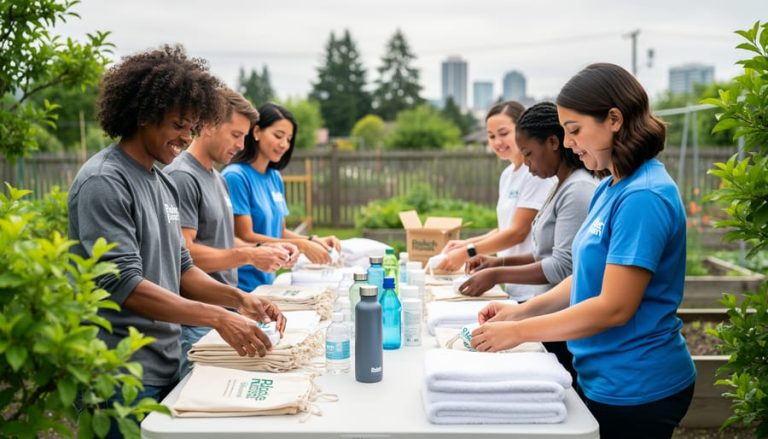
Community health and well being is the shared condition of a place where people can live well, physically, mentally, and socially, and it’s built when neighbours, organizations, and local leaders work on the things that shape daily life together. Think safe streets, welcoming gathering spaces, fair access to care, healthy food, and people who know they belong. It isn’t something a single clinic or program delivers. It grows from many hands.
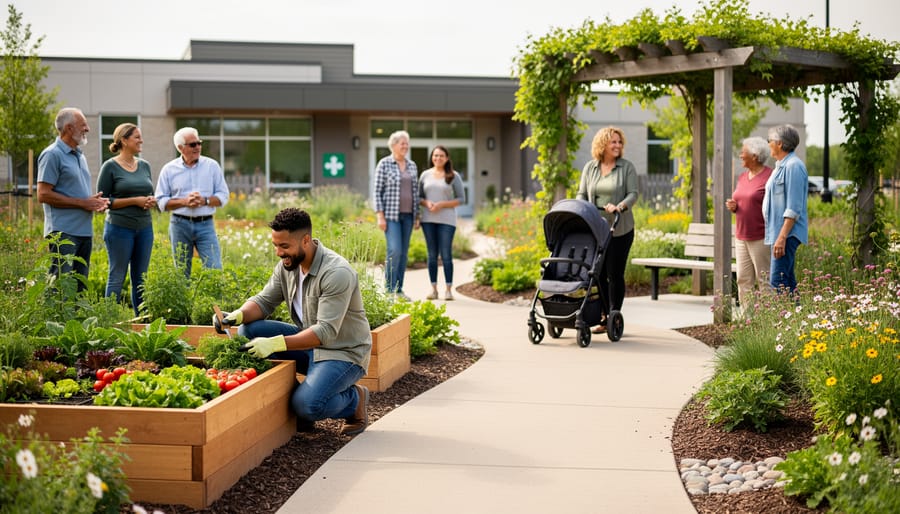
The process is more approachable than it sounds. Communities start by listening to residents about what matters most, then bring partners to the table, pick one or two clear goals, and build small, practical steps around them. A community garden that feeds families and connects generations. A walking group that eases isolation for seniors. A school and a local health centre teaming up so kids get breakfast and support in the same place. These efforts often begin with a handful of committed people and a shared idea, and they spread because others see what’s possible and want to join in.
Across Canada, educators, non-profit leaders, activists, and policymakers are proving that local action adds up. This article explains what community health and well being really means, how initiatives take shape from first conversation to lasting impact, and how you can get involved, whatever your role or experience.
What Community Health and Well-Being Really Means
The Building Blocks of a Thriving Community
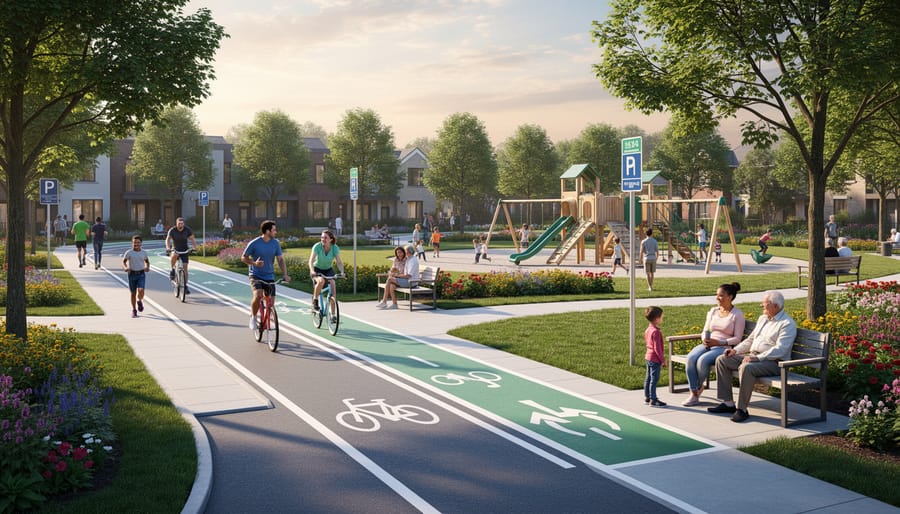
Every thriving community runs on a handful of shared ingredients. You don’t need all of them in perfect shape to begin. Most places already hold more strength than they realize, and the real work is noticing it and tending it together. Think of the 7 components of health as a friendly checklist of strengths to grow, not a list of failures to fix.
Start with access to care: a clinic, a counsellor, or a neighbour who knows where to point you when help is needed. Next comes belonging and connection. A friendly face at the library or a standing Tuesday coffee can ease isolation more than any program brochure.
Safe and green spaces matter just as much. Parks, trails, and well-lit sidewalks give people reasons to step outside and meet one another. Food security belongs here too, whether it shows up as a community fridge, a garden plot, or a shared meal that turns a hard week into a good one.
Meaningful work and learning give people purpose and a path forward, from apprenticeships to after-school clubs. Equity and inclusion make sure everyone gets a seat at the table, so that benefits reach people of every age, background, and ability.
Finally, cultural vitality keeps a place alive with its own stories, languages, festivals, and art. When these ingredients support one another, they create the conditions where whole communities can flourish.
Why Truth, Reconciliation, and Equity Belong in the Conversation
Community well-being grows stronger when everyone has a voice, and that starts with listening. Many Indigenous communities carry teachings about land, family, and balance that have supported collective health for generations. When local initiatives invite Elders and knowledge keepers to share, and then follow their lead, programs tend to feel more grounded and more trusted. Learning about Truth and Reconciliation is a meaningful way to begin, because it opens the door to honest conversations and shared action.
Gender equality plays a quiet but powerful role too. Communities where women, girls, and gender-diverse people help shape decisions often spot needs that others miss, like safe transit, accessible childcare, or supports that reach people who are easy to overlook.
The same goes for newcomers, seniors, youth, and people with disabilities. Each brings a different view of what a healthy neighbourhood looks like. Welcoming those views isn’t extra work; it’s what makes a plan fit the people it serves. Think of it as an invitation: sit down together, listen first, and build what comes next side by side.
How Community Health and Well-Being Initiatives Take Shape
Start by Listening: Mapping Strengths and Needs
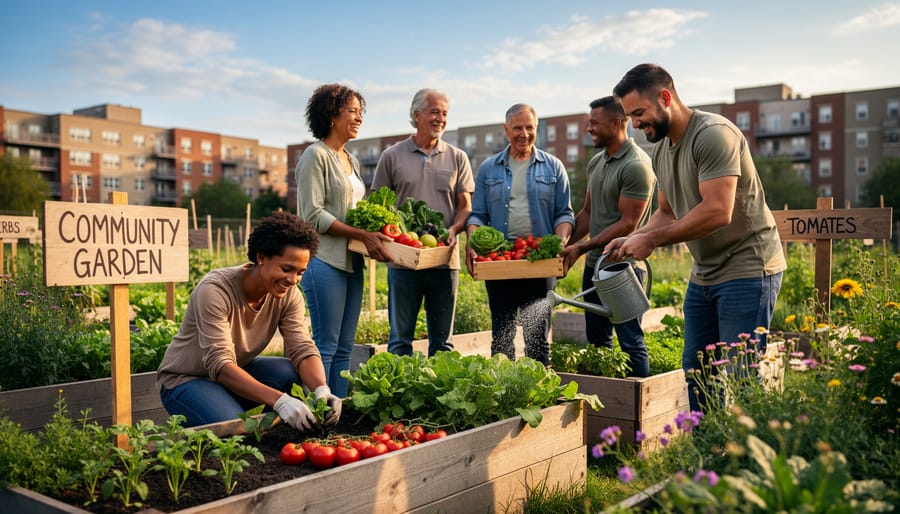
Before you design anything, start by listening. The people who live in a place already know what makes it strong and where it struggles, so your first job is to hear them out.
Conversations are the simplest place to begin. Chat with neighbours at the library, the school pickup line, the community centre, or over a cup of tea. Ask open questions like “What makes this neighbourhood feel like home?” and “What would help you feel healthier here?” Then stay quiet long enough to hear the answer.
Community circles offer a more structured way to share. Invite a small, mixed group of elders, youth, newcomers, caregivers, and long-time residents to sit together, take turns speaking, and listen without interrupting. These gatherings often surface stories that a form never could.
Short, plain-language surveys help you reach people who can’t attend a meeting. Offer them on paper and online, in the languages your community speaks, and keep them to a handful of questions.
As you listen, map what’s already working: the food bank, the walking group, the faith community, the hockey rink, the volunteer who checks on seniors. Strong initiatives build on these assets rather than starting from scratch, and they honour the people who have been caring for the community all along.
Bringing Partners to the Table
No single group holds every piece of the puzzle, which is exactly why partnerships matter. Schools know the families and young people in a neighbourhood. Non-profits bring trusted relationships and hands-on experience. Local governments can open doors to spaces, permits, and policy support. Health providers contribute clinical knowledge and a view of what people are really facing. Funders can turn a promising idea into something that lasts, and volunteers supply the energy that keeps it moving.
Indigenous organizations deserve a seat at the table from the very beginning, not as an afterthought. Their knowledge of land, community care, and healing offers guidance that strengthens the whole effort, and inviting that leadership early builds trust that lasts.
A few habits make partnerships work. Start with a shared conversation about what everyone hopes to see, and agree on goals together. Be clear about who does what, but stay flexible as the work grows. Share credit generously, and let decisions rest with the people closest to the issue.
When every partner feels ownership rather than obligation, initiatives become sturdier. People show up because the work belongs to them, and that sense of shared purpose carries a community through challenges and keeps well-being growing long after the first meeting.
Finding Resources and Measuring What Matters
Resources for community health and well-being rarely arrive in one big cheque. Most initiatives stitch together a mix of support, and that mix is often a strength.
Start with the funding landscape close to home. Local governments, regional health authorities, and community foundations often run small grant streams aimed at neighbourhood-led projects. National and provincial funders and charitable foundations are also worth exploring, and many welcome partnerships where several groups apply together. A shared application can show funders that your idea has real roots.
Don’t overlook in-kind support, which can be just as powerful as money. A school might offer a gym for free, a local business could donate supplies, and a retired nurse might volunteer an afternoon a week. Count these gifts and write them down. They show your community’s investment and help when you approach philanthropic partners later.
When it comes to measuring what matters, keep it simple and let the community lead. Ask participants what “better” looks like for them. Maybe it’s more neighbours attending gatherings, shorter waits for rides to appointments, or people feeling less alone. Choose a few simple indicators, such as attendance, repeat participation, and short check-in questions, and track them regularly.
Numbers only tell part of the story. Gathering quotes, photos, and reflections through community storytelling captures changes that charts miss, like growing trust or renewed pride. Share both the stories and the simple numbers with funders and neighbours, and celebrate each small win along the way.
Stories of Community-Led Well-Being in Action
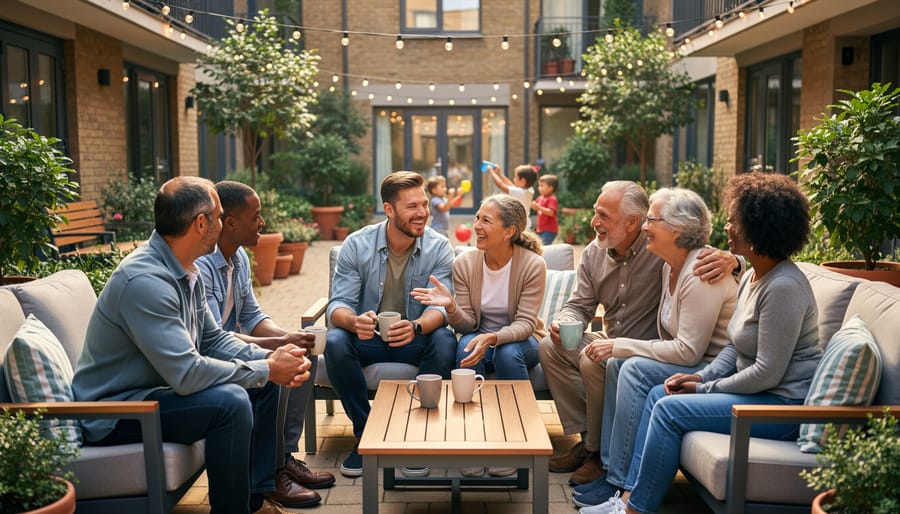
Across Canada, community-led well-being takes many forms, and the stories behind them share a common thread: people doing more together than any one group could do alone. These are common models rather than specific programs, but you’ll likely recognize versions of them in your own neighbourhood.
| Initiative type | Who typically collaborates | Well-being benefit |
|---|---|---|
| Community gardens and food programs | Neighbours, food banks, schools, local businesses | Food security, fresh air, and new friendships |
| Nature-based and environmental education | Educators, conservation groups, Elders, families | Connection to land and a stronger sense of stewardship |
| Peer support and mental health circles | Volunteers, health providers, faith and cultural groups | Reduced isolation and safe spaces to be heard |
| Intergenerational programs | Schools, seniors’ centres, youth organizations | Shared knowledge and a sense of belonging at every age |
| Reconciliation-focused gatherings | Indigenous organizations, municipalities, community members | Trust, understanding, and respectful relationships |
Each model teaches something a little different. Gardens show how a simple, shared task can bring neighbours who’ve never met to the same table. Nature-based learning reminds us that Indigenous knowledge and local educators often make the strongest teaching partners. Peer circles prove that you don’t need to be a professional to offer real support. Sometimes, listening is the whole gift.
Intergenerational programs are a joyful example of mutual benefit. Young people gain mentors and stories, while older neighbours gain energy and purpose. Reconciliation-focused gatherings invite everyone to learn and listen, building the kind of trust that makes every other initiative stronger.
What ties these together is the way they begin: with a small spark and a willingness to share leadership. Many grow through events that bring people together from harvest suppers to community circles, where relationships form naturally and ideas take root. When people feel welcome, they stay, and when they stay, they help shape what comes next.
Getting Started: Practical Ways to Join or Launch an Initiative
You don’t need a big budget or a perfect plan to get going. Start small: a single conversation, a monthly gathering, or one pilot activity can build trust and momentum faster than a large launch. Look first at what already exists in your neighbourhood, such as a school gym, a library room, a faith hall, or an elders’ circle, and ask how you could strengthen it instead of starting from scratch.
Share leadership early. Invite people of different ages, cultures, and experiences to co-design the work, and make room for viewpoints that differ from your own. That openness makes an initiative stronger and keeps it from resting on one person’s shoulders.
Short on time or funding? Try shorter meetings, rotating roles, in-kind donations of space or supplies, and small local grants. Keep volunteers energized by thanking them by name, sharing stories of what their effort made possible, and celebrating every small win together.
Common Questions About Community Health and Well-Being Initiatives
What is the difference between community health and public health?
Public health usually works at a system level through policy, surveillance, and prevention programs. Community health is closer to home, with neighbours shaping solutions that fit their own place and culture.
Who can start an initiative?
Anyone can, whether you’re an educator, volunteer, or neighbour with an idea. The best ones grow by inviting others in early.
How much funding do we need to begin?
Often very little. Many groups start with shared space, volunteer time, and in-kind support, then seek grants once they’ve built momentum.
How can small groups measure impact?
Collect stories, track simple counts like attendance, and ask participants what’s changed for them.
Staying inclusive comes down to who’s in the room. Keep inviting new voices, rotate leadership, and ask regularly who might be missing.
Community health and well-being grows when neighbours, educators, leaders, and local organizations pull in the same direction. Every garden, circle, and gathering you’ve read about began with someone willing to try. We’d love to hear your story, so share it, connect with others here, and take one small first step this week.