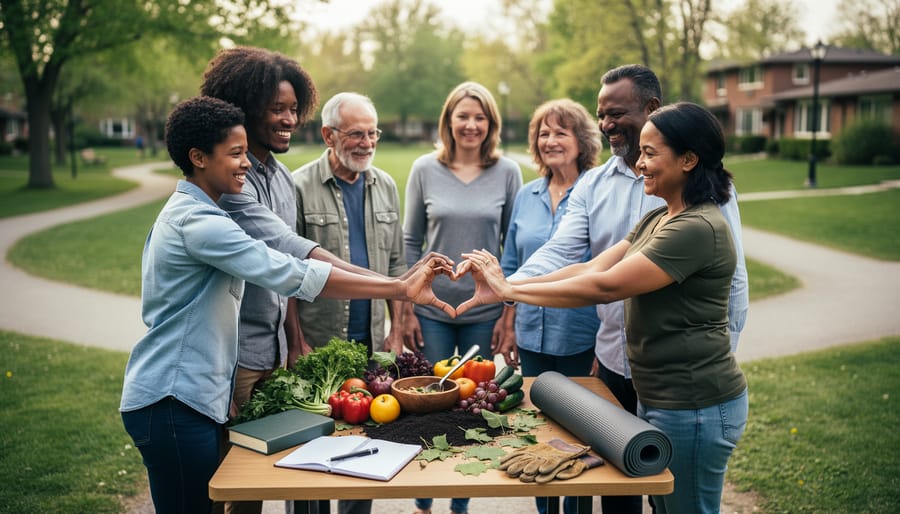
True wellness isn’t just about hitting the gym or eating your vegetables. The seven components of health and wellness form a holistic framework that addresses physical, emotional, social, intellectual, spiritual, environmental, and occupational well-being. When communities embrace all seven dimensions together, they create environments where everyone can thrive.
This comprehensive approach matters because isolation, burnout, and disconnection plague many Canadians in 2026, even as individual health awareness grows. Community leaders who understand these interconnected dimensions can design programs that address root causes rather than surface symptoms. A youth mental health initiative that only focuses on counseling, for example, misses opportunities to build social connections, create meaningful work experiences, or strengthen spiritual grounding.
Healthy communities across Canada are already proving this framework works. When a neighbourhood food co-op tackles food security, it simultaneously strengthens physical health, builds social networks, offers intellectual growth through cooking workshops, and creates occupational purpose for volunteers. That’s the power of thinking across all seven dimensions.
Each component plays a distinct role, yet they reinforce one another. Physical vitality supports emotional resilience. Social connections fuel intellectual curiosity. Spiritual grounding shapes how we interact with our environment. Understanding how these pieces fit together gives community organizers, educators, and non-profit leaders a roadmap for creating lasting change. The framework also helps identify gaps. If your programs excel at physical wellness but neglect occupational purpose or environmental connection, you’re leaving people only partially supported.
This article breaks down each of the seven components with practical applications and real success stories from communities doing this work right now.
Understanding the Holistic Wellness Framework for Communities
These seven components aren’t an arbitrary checklist. They represent the interconnected dimensions of well-being that researchers and community development practitioners have identified as essential for thriving communities. When we strengthen one dimension, we often support the others, creating a ripple effect that amplifies positive change.
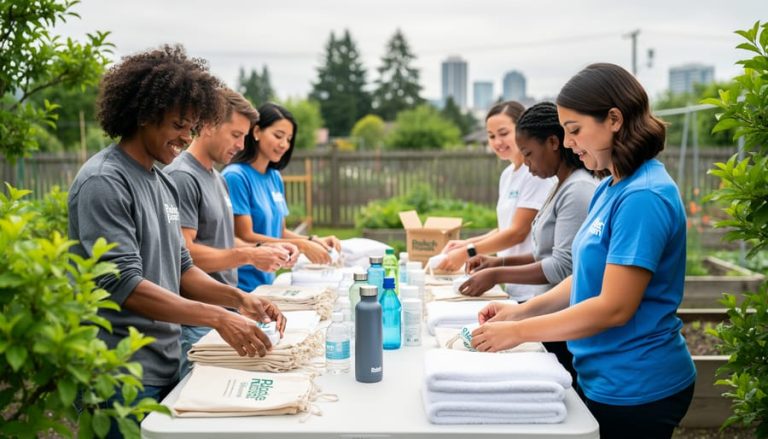
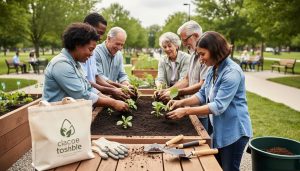
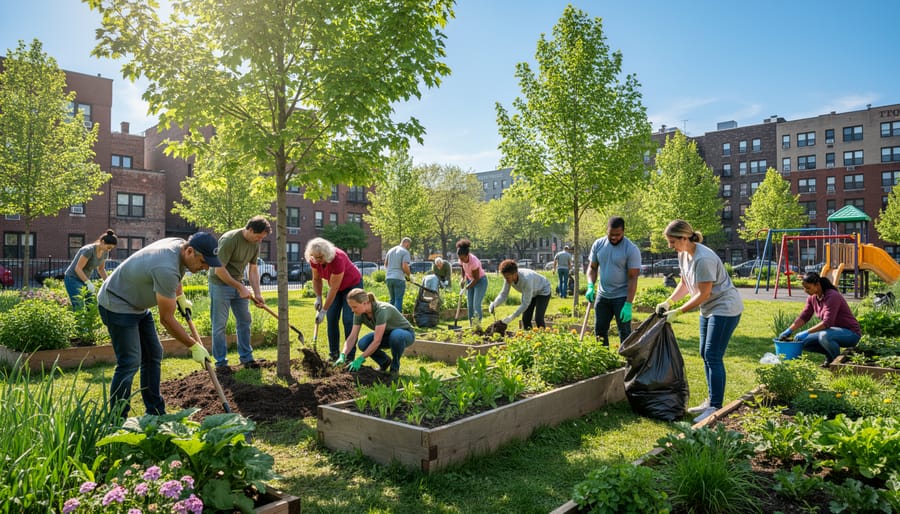
Think about a community garden project. On the surface, it promotes physical health through fresh produce and outdoor activity. Look closer and you’ll see it also fosters social connections as neighbors work together, supports mental well-being through stress reduction and purpose, enhances environmental health by greening urban spaces, and can even address economic wellness by reducing food costs. This is the power of holistic thinking: one well-designed initiative touches multiple wellness dimensions simultaneously.
Canadian communities face complex challenges that single-dimension solutions can’t solve. Isolation, economic inequality, climate change, and health disparities demand integrated approaches. By understanding how these seven components interact, community organizers can design initiatives that create meaningful, lasting change. A new recreation program doesn’t just improve fitness; it builds belonging, reduces isolation, and creates opportunities for people to discover shared interests and values.
1. Physical Health: Creating Active, Accessible Spaces
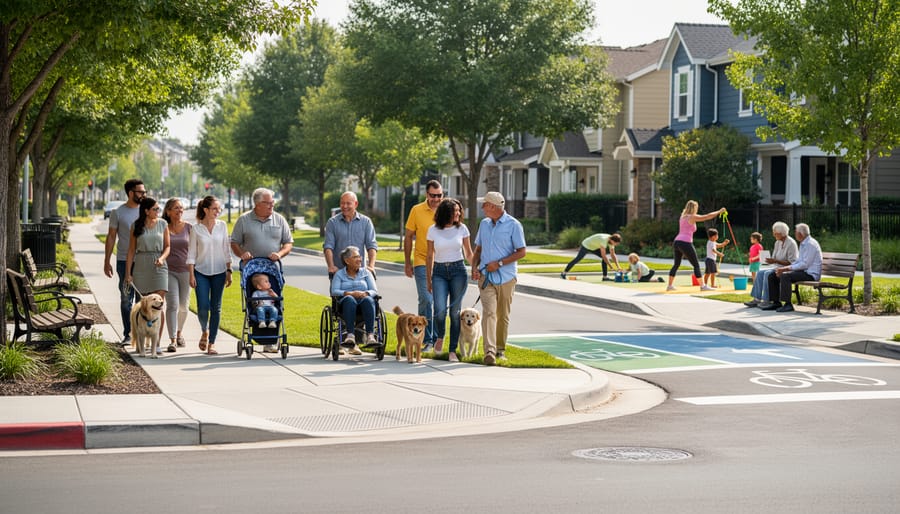
When communities prioritize physical health, they create environments where movement becomes a natural part of daily life rather than an afterthought. This means designing neighborhoods where people can safely walk to schools, shops, and parks, building trails that connect different areas, and ensuring sidewalks accommodate wheelchairs and strollers.
Community gardens serve double duty here. They provide fresh produce while getting people outdoors, digging in the soil, and connecting with neighbors. These spaces transform unused lots into hubs of activity where physical work feels less like exercise and more like purpose.
Recreational programs that truly serve everyone go beyond traditional sports leagues. Consider outdoor fitness equipment in parks, free yoga in community centers, adapted programs for seniors and people with disabilities, and low-cost swimming lessons for families. The goal is removing barriers so physical activity becomes accessible regardless of age, ability, or income.
The City of Kamloops demonstrates this approach beautifully. After residents identified limited accessible recreation spaces, the community collaborated with local government to redesign three neighborhood parks. They added paved walking loops, all-ages play structures, outdoor fitness stations, and shaded seating areas. Within eighteen months, park usage tripled, and community health surveys showed increased physical activity levels across all age groups.
Physical wellness flourishes when communities recognize that infrastructure shapes behavior. A well-placed bench, a safe crosswalk, or a community garden plot can spark lasting change in how people move through their days.
2. Mental and Emotional Health: Building Support Networks
Mental and emotional wellness forms the foundation of thriving communities, yet many Canadians still face barriers to support. Communities across the country are dismantling these obstacles by creating accessible networks where people can share experiences, find help, and build resilience together.
Peer support groups offer powerful spaces for connection. When neighbors facing similar challenges, grief, parenting stress, addiction recovery, or chronic illness, gather regularly, they create understanding that professional services alone cannot provide. These groups reduce isolation while normalizing conversations about mental health struggles that too many still face in silence.
Community organizations partner with mental health professionals to expand reach beyond clinic walls. Mobile counseling services visit schools and community centers. Trained volunteers staff crisis helplines. Faith communities host mental health first aid training. These collaborations bring expertise directly to people who might never walk through a therapist’s door, meeting them where they already gather and trust.
Effective community-led initiatives include:
- Walk-and-talk therapy groups in local parks that combine physical activity with peer support
- Text-based check-in programs connecting isolated seniors with volunteer companions
- Youth-led mental health awareness campaigns using art, music, and social media
- Workplace wellness circles where colleagues discuss stress management in judgment-free environments
- Cultural healing programs that honor Indigenous and newcomer traditions alongside Western approaches
Anti-stigma campaigns transform community attitudes. Public conversations featuring local success stories show that seeking help demonstrates strength, not weakness. When respected community members share their own mental health journeys, others feel permission to do the same. This cultural shift saves lives while building the collective emotional intelligence communities need to support all members through difficult times.
3. Social Wellness: Strengthening Connections and Belonging
Social wellness thrives when people feel genuinely connected to those around them. In communities across Canada, loneliness and social isolation affect people of all ages, contributing to mental health challenges and reducing overall quality of life. Community initiatives that bring people together regularly create the relationships and sense of belonging that everyone needs to flourish.
Community events serve as powerful catalysts for connection. Farmers markets, street festivals, neighborhood barbecues, and seasonal celebrations give people natural reasons to meet their neighbors and form friendships. These gatherings work best when they’re accessible, welcoming to newcomers, and happen consistently enough that people anticipate them.
Intergenerational programs break down age barriers that often fragment communities. When seniors share skills with youth through mentorship programs, or when children visit care homes for storytelling sessions, both groups benefit. These connections combat isolation among older adults while giving young people perspective and wisdom they might not find elsewhere.
Cultural celebrations that honor the diverse traditions within a community strengthen social bonds while promoting understanding. Whether it’s a powwow, Diwali festival, or multicultural potluck, these events validate different identities and create opportunities for people to share their heritage proudly.
In Kitchener, Ontario, a community coalition transformed an underused park into a vibrant gathering hub with picnic tables, a community garden, and a little free library. Neighbors who had lived side by side for years finally met during weekend work parties and now gather regularly for potlucks and impromptu celebrations. The space didn’t just improve the neighborhood physically, it wove people together socially, creating the supportive networks that define true wellness.
4. Environmental Health: Nurturing Sustainable Surroundings

Environmental quality directly shapes community health outcomes. When air pollution increases, so do respiratory illnesses, asthma rates, and cardiovascular problems, particularly in neighborhoods with limited access to green spaces. Clean water initiatives, proper waste management, and pollution reduction efforts aren’t just environmental concerns; they’re fundamental public health interventions that protect the most vulnerable community members.
Creating and maintaining accessible green spaces offers multiple wellness benefits. Parks, urban forests, and community gardens reduce urban heat islands, filter pollutants, provide opportunities for physical activity, and serve as gathering places that strengthen social connections. These spaces become particularly vital in dense urban areas where residents otherwise have limited access to nature.
Effective environmental initiatives engage community members in the solutions. Neighborhood tree-planting programs, community composting projects, and watershed protection efforts give residents ownership over their surroundings while building environmental literacy. When communities understand how their actions impact local ecosystems, they’re more likely to support sustainable practices.
Climate action at the community level creates both immediate and long-term health benefits. Transitioning to renewable energy, improving building efficiency, and developing sustainable transportation options reduce pollution exposure today while protecting future generations. These initiatives often align with other community values around economic development and self-sufficiency, helping residents connect environmental stewardship to their broader purpose and values. Many Indigenous communities lead by example, demonstrating how to honour reconciliation through traditional ecological knowledge and land stewardship practices that benefit entire regions.
5. Intellectual Wellness: Fostering Lifelong Learning
Community libraries aren’t just book repositories, they’re engines of intellectual wellness that keep minds active and communities connected. When Edmonton Public Library launched its Digital Citizenship program in 2023, senior citizens who’d felt isolated from modern technology gained skills that opened new worlds. Within six months, participants weren’t just checking emails; they were video-calling grandchildren across provinces, accessing health information, and teaching peers what they’d learned.
Intellectual wellness thrives when learning becomes a shared community experience. Tool libraries in Vancouver let residents learn woodworking and repair skills while borrowing equipment they couldn’t afford individually. Newcomer language circles in Halifax pair conversation practice with cultural exchange, building both language skills and friendships. These initiatives recognize that curiosity doesn’t retire at graduation, it needs ongoing nourishment through accessible, welcoming opportunities.
Creative expression programs unlock potential across all ages. Community art studios in Thunder Bay give youth alternative outlets for processing experiences, while intergenerational storytelling projects in Saskatoon preserve local history and build connections between elders and young people. Community volunteer programs that incorporate skill-building create dual benefits: participants develop new capabilities while contributing meaningfully to collective goals.
The ripple effects extend beyond individual growth. Communities with robust learning opportunities see higher civic engagement, stronger economic resilience, and residents who feel more capable of shaping their neighborhoods’ futures.
6. Spiritual Wellness: Honoring Purpose and Values
Spiritual wellness in communities isn’t about religious affiliation, it’s about creating spaces where people can explore purpose, meaning, and values that connect them to something larger than themselves. When communities honor diverse pathways to spiritual well-being, they strengthen the social fabric and provide essential support during challenging times.
Inclusive spiritual wellness initiatives recognize that people find meaning through different lenses: religious practice, connection to nature, creative expression, cultural traditions, or personal reflection. Community centers that offer meditation groups, nature walks, art therapy, and cultural ceremonies acknowledge this diversity while creating common ground for exploration.
Truth and reconciliation work forms a critical component of spiritual wellness in Canadian communities. Creating space for Indigenous-led ceremonies, land acknowledgments that translate into action, and opportunities to learn about spiritual traditions that predate colonial systems helps entire communities heal and move forward with shared purpose.
Interfaith councils and dialogue circles bring together people from different backgrounds to discover common values and mutual understanding. These gatherings often reveal that beneath diverse practices lie universal human needs for connection, compassion, and belonging.
Mindfulness programs in schools, workplaces, and public libraries offer accessible entry points for those seeking spiritual wellness through secular practices. Community gardens, labyrinth walks, and quiet reflection spaces in parks provide contemplative opportunities without requiring specific beliefs.
When communities create room for spiritual exploration across all traditions and none, they acknowledge the full humanity of their members and nurture the deeper connections that sustain us through life’s journey.
7. Economic Wellness: Ensuring Financial Security and Opportunity
Economic security affects every dimension of wellness, when families struggle to afford food, housing, or healthcare, stress compounds and opportunities for growth diminish. Communities that prioritize economic wellness create conditions where everyone can meet basic needs and build toward their goals, not just survive month to month.
Financial literacy programs form a foundation for economic wellness. Community organizations can offer workshops on budgeting, debt management, and saving strategies in accessible formats that meet people where they are. Some communities partner with credit unions to provide one-on-one financial coaching, helping residents navigate everything from opening a first bank account to understanding mortgage options. These programs work best when they acknowledge systemic barriers rather than simply promoting individual responsibility.
Employment support takes many forms, from job training programs and resume workshops to social enterprises that create meaningful work while addressing community needs. Co-op models and worker-owned businesses distribute economic benefits more broadly than traditional structures, keeping wealth circulating within the community. Youth employment initiatives offer both income and skill development, breaking cycles of economic exclusion before they take hold.
Effective community economic strategies that promote equity include:
- Affordable housing initiatives through co-housing models, land trusts, and rental assistance programs
- Food security programs including community kitchens, good food boxes, and urban agriculture projects
- Local purchasing agreements that direct institutional spending to community businesses
- Microfinance and small business support for entrepreneurs facing traditional lending barriers
- Living wage campaigns that ensure full-time work provides economic stability
When economic development prioritizes community benefit over purely commercial interests, the results transform lives. A thriving local economy supports the time, energy, and resources people need to engage fully in their physical health, relationships, learning, and all other wellness dimensions.
Bringing It All Together: Your Community’s Wellness Action Plan
You don’t need to tackle all seven components at once. Pick one wellness dimension where your community already shows interest or momentum, maybe there’s a community garden waiting to expand, or a mental health advocate ready to launch a support circle. Start there, build trust, and let success in one area create energy for the next.
Partnership transforms small efforts into lasting change. Connect with local organizations, schools, faith communities, and businesses who share your vision. A recreation center might host physical activity programs while the library offers financial literacy workshops. When different groups collaborate around wellness, you multiply resources and reach people where they already gather.
Track what matters, but keep it simple. Notice who participates, listen to their stories, and watch for shifts in community engagement. Did more neighbors join the walking group? Are isolation rates dropping among seniors? Celebrate these wins publicly, recognition fuels momentum and inspires others to contribute.
Where should a small community start with wellness initiatives?
Begin with a community conversation to identify which wellness component resonates most with residents. Starting small with one focused initiative builds confidence and demonstrates value before expanding to other dimensions.
How can we measure the impact of holistic wellness programs?
Combine participation numbers with qualitative feedback through surveys, focus groups, and community stories. Track changes in social connections, program retention, and residents’ self-reported well-being over time.
What if our community lacks resources for comprehensive programs?
Focus on low-cost, high-impact initiatives like walking clubs, skill-sharing workshops, or community gardens. Many wellness activities require more coordination than funding, and partnerships can share both costs and responsibilities.
How do we engage diverse stakeholders in wellness planning?
Host inclusive planning sessions at accessible times and locations, offer multiple participation formats, and ensure leadership reflects community diversity. Actively seek input from underrepresented groups rather than waiting for them to approach you.
Your community’s wellness story matters. Share your initiatives, challenges, and breakthroughs with other communities working toward the same goals. Every step forward, whether it’s a new friendship formed at a community event or a neighborhood that secured better transit access, contributes to a larger movement. You’re not just improving individual lives; you’re building the foundation for thriving, resilient communities across Canada.