
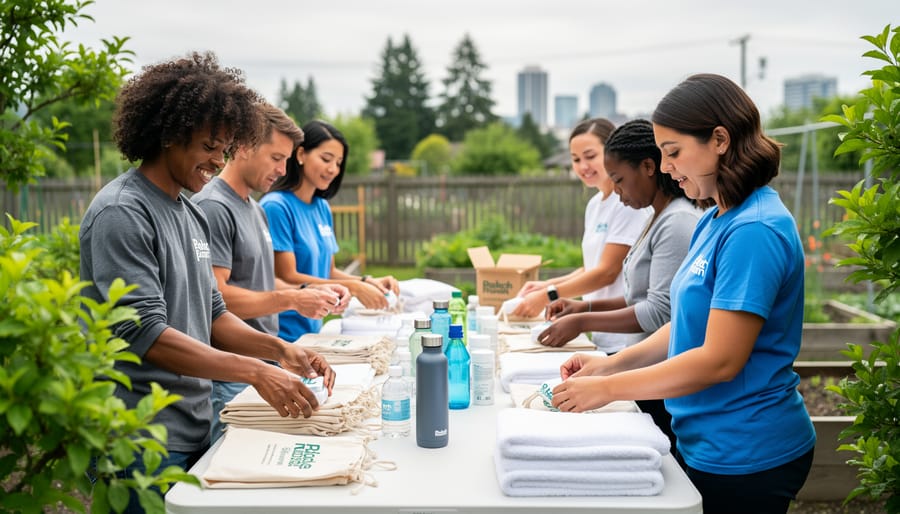
Finding volunteer opportunities in Vancouver, Washington is straightforward and rewarding. Residents and newcomers can connect with local nonprofits through platforms like HandsOn Greater Portland, the Vancouver Volunteer Organizing Resource Toolkit, and direct outreach to community organizations serving Southwest Washington. Whether you have two hours or ten each month, there’s a place for you in this vibrant network of neighbors helping neighbors.
Vancouver’s volunteer landscape thrives because ordinary people choose to show up. A retired teacher spends Tuesday mornings sorting donations at a food bank. A software developer dedicates Saturdays to building community gardens. College students mentor kids after school. These aren’t exceptional stories. They’re the everyday fabric of a community that understands we’re stronger together.
The practical path to getting involved starts with identifying what matters most to you. Animal welfare? Youth mentorship? Environmental restoration? Hunger relief? Once you know your focus, connecting with the right organization becomes simple. Many groups offer flexible schedules, virtual options, and one-time projects perfect for testing the waters before committing long-term.
What makes Vancouver’s volunteer culture distinctive is its collaborative spirit. Organizations work together rather than in silos, meaning your time and energy create ripple effects across multiple causes. When you volunteer at a literacy program, you’re not just helping one child read better. You’re strengthening families, supporting schools, and building a more resilient community for everyone.
This guide walks you through exactly how to find opportunities that match your interests, what to expect when you start, and how other volunteers have made meaningful differences right here in Clark County.
Understanding Vancouver’s Volunteer Landscape
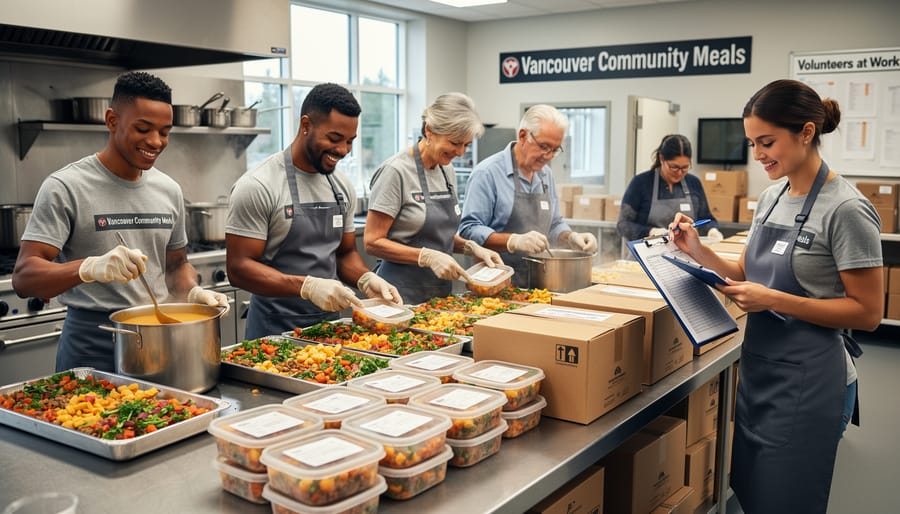
Vancouver, Washington offers a rich tapestry of volunteer opportunities that reflect the community’s diverse needs and passions. From helping neighbors access basic services to restoring natural habitats along the Columbia River, volunteers here play an essential role in strengthening the fabric of local life.
Community service organizations form the backbone of Vancouver’s volunteer network. Food banks, homeless shelters, and crisis support centers rely on regular volunteers to sort donations, serve meals, and provide companionship to those facing hardship. These roles range from a few hours monthly to weekly commitments, making them accessible for people with varying schedules.
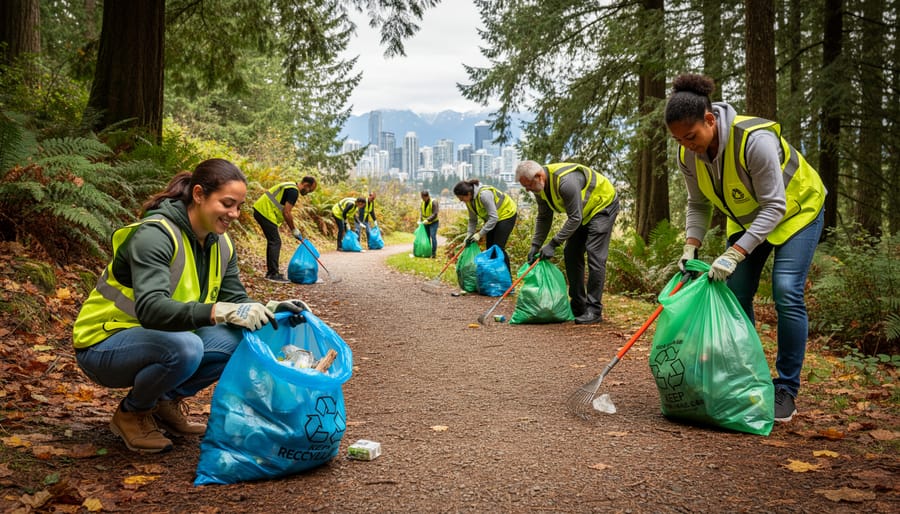
Environmental initiatives attract volunteers who want hands-on conservation work. Local groups coordinate river cleanups, invasive plant removal, and trail maintenance throughout Clark County’s parks and green spaces. These projects often welcome families and first-time volunteers, providing training and all necessary equipment on-site.
Youth programs need mentors, tutors, and activity leaders. After-school programs, literacy initiatives, and sports leagues depend on volunteers to provide one-on-one attention that helps young people develop confidence and skills. Many of these opportunities fit well with professionals who can offer evening or weekend availability.
Senior support services create meaningful connections between generations. Volunteers deliver meals, provide transportation to medical appointments, lead recreation activities at senior centers, and offer friendly visits to isolated older adults. These roles particularly suit those who value relationship-building over task-oriented work.
Cultural organizations round out the landscape with opportunities in museums, theaters, historical societies, and community festivals. Volunteers here might give tours, assist with events, help preserve local history, or support arts programming that makes culture accessible to all residents.
This variety means nearly anyone can find a volunteer role that matches their interests, skills, and available time while contributing to Vancouver’s ongoing community renewal.
Finding Volunteer Opportunities That Match Your Interests
Using the Vancouver Volunteer Organizing Resource Toolkit
The Vancouver Volunteer Organizing Resource Toolkit serves as your digital hub for connecting with organizations across the city. Start by visiting the toolkit’s homepage, where you’ll find a searchable database of current volunteer opportunities organized by cause area, time commitment, and skill requirements. The interface lets you filter by categories like environmental work, youth mentorship, senior services, or administrative support, making it simple to match your interests with community needs.
Once you’ve identified promising opportunities, each listing provides detailed information about the organization, the specific role, required time commitments, and contact details. Many listings include orientation dates and training schedules, so you know exactly what to expect before reaching out. The toolkit eliminates guesswork by clearly stating whether opportunities are one-time, ongoing, or project-based, helping you choose commitments that fit your schedule.
Beyond finding opportunities, the toolkit offers practical resources for new volunteers. The training section includes short guides on topics like effective communication with non-profits, understanding organizational cultures, and maximizing your impact. You’ll also find a calendar of volunteer fairs and community events where you can meet coordinators face-to-face and learn about upcoming initiatives.
For organizations, the toolkit provides free profile creation and opportunity posting, making it easier for small non-profits without dedicated volunteer coordinators to reach engaged community members. This two-way benefit strengthens Vancouver’s volunteer ecosystem by reducing barriers on both sides.
The toolkit updates regularly, so bookmark it and check back weekly. New opportunities appear as community needs evolve, ensuring you can stay connected to meaningful work throughout your volunteer journey.
Other Local Resources and Platforms
Beyond the Vancouver Volunteer Organizing Resource Toolkit, several other platforms can connect you with volunteer opportunities across Clark County. VolunteerMatch serves as a national database where Vancouver nonprofits post openings, you can filter by cause, skill set, and time commitment to find positions that align with your schedule. The platform lets you browse everything from one-time events to ongoing weekly commitments.
Many Vancouver organizations maintain their own websites with dedicated volunteer pages. Check sites for groups like the Community Services Consortium, Partners in Careers, and the Fort Vancouver Regional Library Foundation for direct postings that may not appear on aggregator platforms. These pages often provide richer context about organizational culture and specific project needs.
Physical community bulletin boards still serve as reliable resources. Visit the Vancouver Community Library branches, Kiggins Theatre, and recreation centers like the Marshall Community Center to scan posted flyers. Local coffee shops and natural food stores frequently display volunteer callouts from neighborhood groups.
Social media offers dynamic options for discovering opportunities. Join Facebook groups like “Vancouver WA Community” or “Clark County Volunteers” where organizations announce urgent needs and special events. Nextdoor’s neighborhood feeds regularly feature calls for volunteers helping with neighborhood cleanups, school fundraisers, and senior assistance programs.
Attending community events, farmers markets, cultural festivals, or town hall meetings, creates face-to-face connections with organizations actively recruiting volunteers, often bypassing formal application processes entirely.
Getting Started: From Interest to Impact
Taking your first steps as a volunteer in Vancouver, Washington doesn’t require special qualifications or years of experience. What matters most is showing up with genuine interest and a willingness to contribute. Here’s how to move from thinking about volunteering to making a real difference in your community.
Start by taking honest stock of what you can realistically offer. Consider your schedule, not just now but over the next few months. Can you commit to Tuesday evenings? Saturday mornings? One weekend a month? Organizations value consistency over quantity, so a reliable two hours weekly beats an enthusiastic but sporadic full day. Next, think about your skills beyond formal qualifications. Maybe you’re patient with seniors, comfortable lifting boxes, good at organizing chaos, or simply enjoy talking with people. These everyday strengths matter more than you might think.
Once you’ve identified your parameters, research organizations that align with your interests and capacity. Read their mission statements, check their social media for recent activities, and note what they emphasize in volunteer descriptions. When you’re ready to reach out, a brief email or phone call works best. Introduce yourself, mention what drew you to their work, and be specific about your availability. Most organizations appreciate straightforward communication over elaborate pitches.
- Contact the organization through their preferred method and express specific interest in volunteering.
- Schedule and attend an orientation session where you’ll learn about the organization’s mission, policies, and volunteer expectations.
- Complete any required paperwork, background checks, or training modules before your first shift.
- Confirm your first volunteer assignment details including date, time, location, dress code, and what to bring.
- Arrive ten minutes early on your first day, introduce yourself to the volunteer coordinator, and ask questions about anything unclear.
- Follow through on your commitment and communicate promptly if circumstances change.
During your orientation, pay attention to safety protocols, communication channels, and who to contact with questions. Don’t hesitate to ask about things that seem unclear. Good organizations want you to feel prepared, not confused.
Your first shift will likely feel a bit awkward, and that’s normal. Focus on observing how experienced volunteers and staff interact, following instructions carefully, and offering help when you see a need. Arrive ready to adapt because volunteer work rarely goes exactly as planned. Bring water, wear comfortable shoes, and keep your phone charged but tucked away unless needed for the work itself.
After your first experience, reflect honestly. Did the work feel meaningful? Did the time commitment work for your life? If something felt off, that’s valuable information. You’re not locked in forever. Many volunteers try several organizations before finding their best fit, and that exploration is part of the journey toward sustained, impactful service.
Success Stories from Vancouver Volunteers
When Maria retired from teaching, she wasn’t sure how to fill her days. A neighbor mentioned the Vancouver Community Library’s literacy program, and within weeks, Maria was tutoring adults working toward their GEDs. Three years later, she’s helped 14 people earn their diplomas. “I thought I’d be giving my time,” Maria says, “but I’ve gained so much more, friendships, purpose, and a front-row seat to people transforming their lives.”
Stories like Maria’s unfold across Vancouver every day. Take the Ridgefield High School Environmental Club, which partnered with the Burnt Bridge Creek Watershed Council to restore native plantings along the creek. What started as a one-day service project turned into a multi-year commitment. Students now lead monthly restoration days, teaching younger volunteers about salmon habitat and water quality. Their advisor notes that several club members chose environmental science majors because of this work.
Then there’s James, a software engineer who volunteers with Vancouver’s Meals on Wheels program. Delivering meals two Saturdays a month, he’s built relationships with seniors who live alone. When one recipient mentioned she hadn’t left her apartment in months, James coordinated with neighbors to create a rotating schedule of visits and grocery runs. That informal network now supports five isolated seniors in the building.
The power of events that bring people together is evident in Vancouver’s annual Winter Shelter program. Over 200 volunteers from different faith communities rotate hosting and staffing emergency shelter nights. Volunteers don’t just provide beds and meals, they’ve created job-readiness workshops, connected guests with housing resources, and helped 23 people transition to stable housing last winter.
These stories demonstrate what community storytelling reveals: volunteering creates ripples far beyond the immediate task. Maria’s students go on to better jobs. The creek restoration improves water quality for the whole watershed. James’s network prevents hospitalizations from isolation. Shelter volunteers witness the strength and resilience of neighbors facing hardship, changing how they understand homelessness.
What unites these volunteers is that none started as experts. They showed up, learned alongside the people they served, and discovered their contributions mattered more than they imagined.
Building Sustainable Volunteer Habits
Sustaining your volunteer commitment starts with choosing work that genuinely resonates with you. When your service aligns with personal values and interests, the experience feels less like an obligation and more like meaningful participation in your community’s growth. Start with a manageable time commitment, even two hours monthly can create measurable impact, and resist the urge to overextend yourself in the early weeks of enthusiasm.
Building rhythm into your volunteer life helps cement the habit. Many Vancouver volunteers find that picking a consistent day or time slot each week or month creates structure without overwhelming their calendar. Consider blocking volunteer hours like you would a class or recurring appointment, giving your commitment the same respect you’d offer professional or family obligations.
Self-care isn’t selfish when you’re serving others. Take breaks when life gets demanding, communicate openly with coordinators about your availability, and don’t hesitate to step back temporarily rather than quit entirely. Organizations value honest, sustainable contributors over burned-out helpers who disappear without warning.
As you grow comfortable in one role, look for ways to deepen rather than just broaden your impact. This might mean mentoring new volunteers, taking on specialized tasks that use your professional skills, or connecting organizations with resources from your network. The long-term vitality of community initiatives depends on volunteers who evolve with their roles, bringing both consistency and fresh perspective over time. Your sustained presence often matters more than sporadic bursts of intensive involvement.
Common Questions About Volunteering in Vancouver, WA
How much time do I need to commit?
Many Vancouver organizations offer flexible options ranging from one-time events to ongoing weekly shifts. You decide what fits your schedule, some volunteers contribute a few hours monthly while others engage weekly or seasonally.
Will I need a background check?
Organizations working with vulnerable populations, such as youth programs or senior care facilities, typically require background checks. Most other roles don’t, but each organization sets its own requirements based on the nature of the work.
Am I covered by insurance while volunteering?
Reputable organizations carry volunteer liability insurance that covers you during approved activities. Always confirm coverage details during your orientation, especially for physically active roles or events involving equipment.
Can my teenager volunteer with me?
Absolutely. Many Vancouver organizations welcome youth volunteers, though minimum age requirements vary by role. Family volunteering is encouraged, it’s a meaningful way to model community engagement and spend time together while making a difference.
What if I have accessibility needs?
Most organizations are committed to inclusive volunteering and will work with you to identify suitable roles or make reasonable accommodations. Be upfront about your needs during initial conversations so coordinators can match you with appropriate opportunities.
Beyond these basics, new volunteers often wonder about training and support. Organizations typically provide orientation sessions covering their mission, safety protocols, and role-specific guidance. You won’t be thrown into unfamiliar situations without preparation. Many also assign experienced volunteers as mentors or team leads, creating a supportive environment where questions are welcomed.
If you’re interested in cultural competency or working with diverse communities, some organizations offer specialized training that can deepen your impact and help you honour it in your community through informed, respectful engagement.
Transportation concerns come up frequently. While some roles require your own vehicle, many opportunities are accessible by public transit or offer carpooling arrangements. Remote or virtual volunteering has also expanded significantly, allowing you to contribute from home if mobility or distance presents challenges.
Finally, what happens if a role doesn’t feel right? It’s perfectly acceptable to explore different opportunities until you find the best fit. Volunteer coordinators understand that meaningful engagement requires alignment between your interests, skills, and the organization’s needs. Open communication helps everyone find the right match.
Volunteering in Vancouver, Washington is more accessible than you might think. Whether you have two hours a month or ten hours a week, there’s a place for you in this community’s collaborative efforts. The work you contribute, sorting food donations, mentoring a young person, planting trees along local trails, or welcoming newcomers, creates real change for real people.
Start small if you’re uncertain. Reach out to one organization that aligns with your interests, attend a single orientation, or explore the Vancouver Volunteer Organizing Resource Toolkit to see what speaks to you. The first step is often the hardest, but organizations in Vancouver are welcoming and understand that every volunteer journey begins somewhere.
Community renewal doesn’t happen through grand gestures alone. It happens when neighbors show up consistently, when strangers become collaborators, and when individual contributions weave together into something larger than any one person could create. Your skills, your time, and your perspective matter here.
The toolkit remains available whenever you’re ready to explore new opportunities or deepen your involvement. Vancouver’s volunteer community is waiting to welcome you, not someday, but right now.