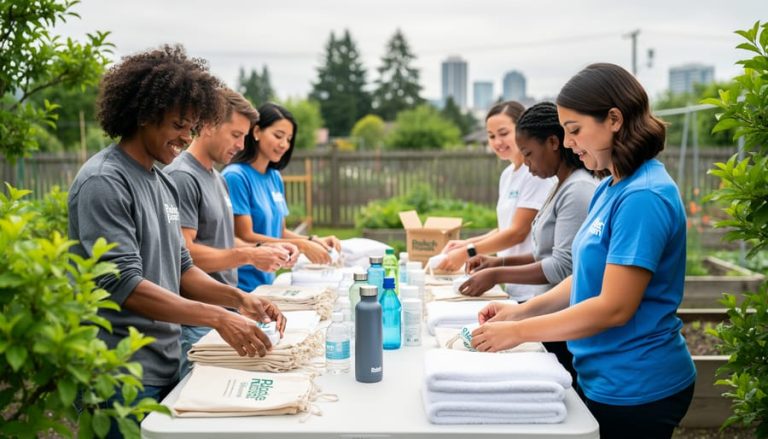
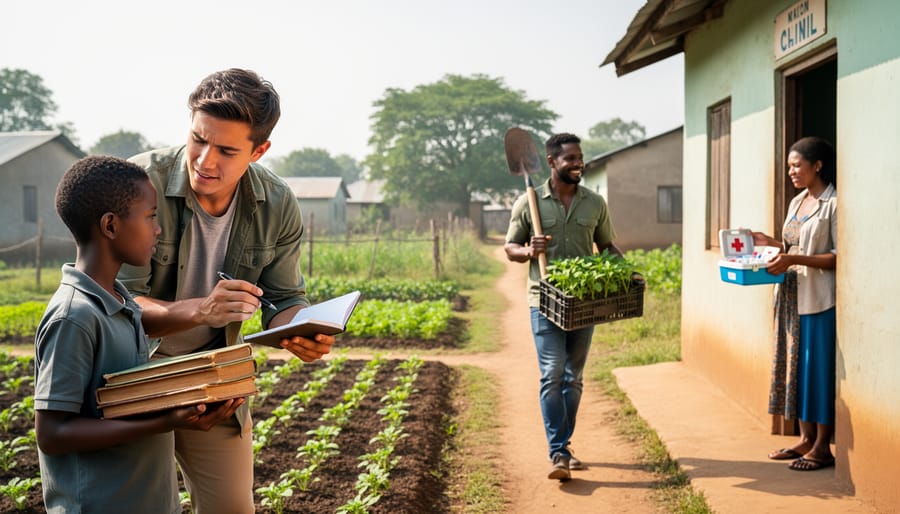
Volunteer travel programs combine purpose with exploration, placing participants in community-led projects across the globe for durations ranging from one week to six months, with costs starting as low as $20 per day including accommodation. These programs work by pairing travelers with grassroots organizations in areas like education, healthcare, conservation, and infrastructure, creating opportunities for meaningful cultural exchange while supporting local development goals.
The appeal is straightforward: you contribute your time and energy to projects that matter, gain immersive cultural experiences beyond typical tourism, and return home with new perspectives and connections. Organizations like International Volunteer HQ have facilitated over 163,000 placements since 2007, operating year-round programs in more than 40 countries. The model has evolved significantly, with ethical programs now prioritizing community-identified needs over volunteer preferences, ensuring that projects genuinely serve local populations rather than extracting value from them.
What makes these programs work is reciprocity. When structured well, they channel resources and skilled support toward healthy communities while offering volunteers the chance to learn directly from people navigating different realities. You’ll find programs focused on teaching English in rural schools, assisting with wildlife conservation efforts, supporting women’s cooperatives, building water infrastructure, or providing healthcare outreach.
The challenge lies in choosing wisely. Not all volunteer travel delivers genuine impact, and some models prioritize volunteer satisfaction over community benefit. Understanding how to evaluate program structure, financial transparency, local partnerships, and long-term outcomes separates transformative experiences from well-intentioned but ultimately extractive tourism. This guide will help you identify quality programs, understand true costs, maximize your contribution, and participate in ways that honor both your goals and the communities you’ll serve.
What Volunteer Travel Programs Offer
Volunteer travel programs blend hands-on community service with genuine cultural immersion, creating experiences that go far beyond conventional tourism. These programs typically connect you with grassroots organizations working on local priorities, where you contribute your time and energy to projects that communities have identified as meaningful. The work might involve teaching English to children, restoring natural habitats, supporting healthcare initiatives, or helping build community infrastructure, all while living alongside local families or in shared volunteer accommodations.
What makes these programs distinctive is their flexibility and accessibility. Opportunities exist across more than 40 countries, with program lengths ranging from one week to 24 weeks, allowing you to match your available time with community needs. Many programs run year-round, so you can volunteer during your summer break, between jobs, or whenever your schedule allows. The structure typically includes pre-departure orientation, in-country support staff, accommodation (often homestays or volunteer houses), and guidance on navigating cultural differences respectfully.
The causes you can support span environmental conservation, education and literacy, healthcare access, women’s empowerment, and community development. You choose based on what aligns with your skills and passions, though most programs welcome volunteers regardless of professional background, what matters more is your willingness to learn and contribute with humility.
These experiences create reciprocal benefits. Communities gain dedicated support for initiatives they’re already advancing, while volunteers develop cross-cultural understanding, practical skills, and expanded perspectives on global challenges. When structured thoughtfully around local priorities rather than volunteer preferences alone, these programs foster genuine collaboration. You’re not swooping in to “save” anyone; you’re participating in ongoing work that communities lead, learning as much as you contribute.
Finding the Right Program for Your Goals
Understanding Program Costs and What’s Included
Program fees typically range from around US$20 per day at the lower end to several hundred dollars daily for specialized placements. Understanding what’s included in that fee helps you budget accurately and avoid surprises. Most programs cover accommodation, meals, pre-departure orientation materials, airport pickup, in-country orientation, and ongoing local support from program coordinators. The US$20 per day baseline generally includes shared housing and basic meals, making international volunteering far more accessible than many people realize.
What you’ll usually pay separately includes international flights, travel insurance, visa fees, vaccinations, and personal spending money. Some programs also charge a separate registration fee, typically US$200-300, which covers administrative costs and pre-departure support. Budget another US$100-200 monthly for discretionary expenses like weekend travel, additional meals, and souvenirs.
Higher-priced programs aren’t always better. Compare what’s included rather than assuming cost reflects quality. Programs where the volunteer program covers support services comprehensively may offer better value than cheaper options with hidden costs. Look for transparent fee breakdowns that explain exactly where your money goes, ideally with a significant portion supporting the host community rather than covering organizational overhead. Many reputable organizations publish detailed budget guides showing total trip costs, which helps you plan realistically and choose a program that fits your financial situation without compromising on safety or impact.
Popular Destinations and Focus Areas
Volunteer travel programs span an impressive range of destinations and causes, making it possible to find work that genuinely matches your passions. Reputable organizations coordinate placements in 40 countries across Africa, Asia, Latin America, Europe, and the Pacific, with each region offering distinct opportunities to contribute.
The breadth of focus areas means you can direct your energy toward the issues you care most about. Environmental conservation projects might have you protecting wildlife habitats in Costa Rica or restoring coral reefs in Thailand. Education and literacy programs address critical gaps in communities where school resources are stretched thin, volunteers teach English, support libraries, or run after-school programs in countries from Nepal to Peru. Healthcare support roles include assisting in clinics, running health education workshops, or supporting nutrition programs, particularly in rural areas with limited medical infrastructure.
Women’s empowerment initiatives focus on gender equality through skills training, microfinance support, and leadership development. Community infrastructure projects range from building schools and homes to developing clean water systems. Many programs also integrate environmental education into broader development work, recognizing how sustainability connects to all these focus areas.
| Focus Area | Example Destinations | Typical Activities | Valuable Skills |
|---|---|---|---|
| Environmental Conservation | Costa Rica, Thailand, Ecuador | Wildlife monitoring, reforestation, marine protection | Biology background, physical fitness, data recording |
| Education & Literacy | Nepal, Ghana, Peru | Teaching English, running workshops, library support | Teaching experience, patience, creativity |
| Healthcare Support | Tanzania, Cambodia, Guatemala | Clinic assistance, health education, nutrition programs | Medical training, public health knowledge, cultural sensitivity |
| Women’s Empowerment | India, Kenya, Nicaragua | Skills training, microfinance support, leadership development | Business skills, mentoring ability, facilitation |
Your destination choice matters beyond personal preference. The most meaningful placements match your skills and interests with genuine community needs, creating reciprocal value rather than one-sided charity.
Making Your Volunteer Experience Meaningful
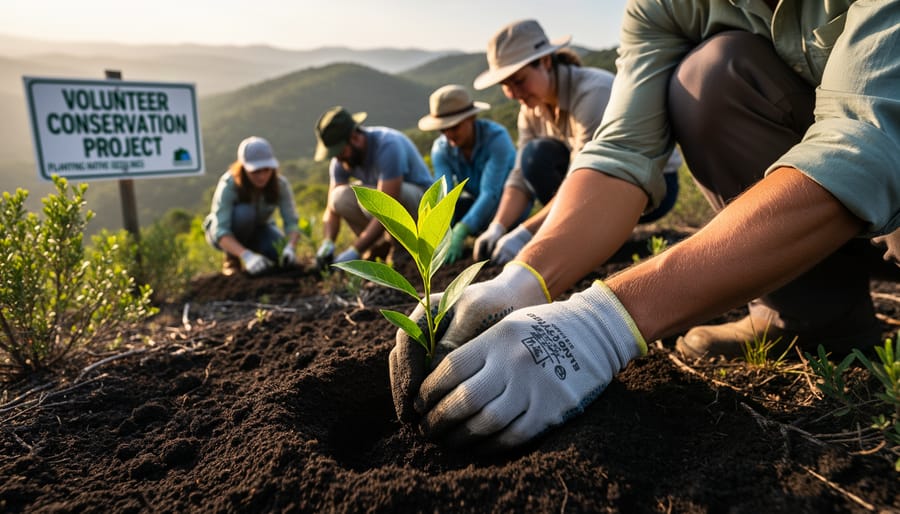
Making meaningful contributions during your volunteer placement requires intentionality from the start. The best experiences emerge when you approach the work as a learner first, recognizing that host communities possess deep knowledge about their own needs and priorities. Before you arrive, invest time in understanding the local context, not just tourist highlights, but the social, economic, and cultural realities shaping the community you’ll serve.
Start with practical preparation. Learn basic phrases in the local language, even if many community members speak English. This effort signals respect and opens doors to genuine connection. Research the organization’s history and partnerships with local groups, ensuring your work supports community-led initiatives rather than externally-imposed projects. Ask specific questions about how the organization measures impact and maintains accountability to the people they serve.
Once you arrive, resist the urge to jump straight into action. Spend your first days listening and observing. Talk with local staff and community members about their vision for the future. What do they identify as priorities? What solutions have they already tried? Your role is to support their work, not to introduce solutions based on assumptions from your own cultural context. This principle of collaboration echoes broader movements toward truth and reconciliation that emphasize listening, learning, and working alongside communities rather than for them.
Think beyond your placement timeline. How can your contribution create lasting value rather than temporary relief? Focus on tasks that build local capacity, mentoring, knowledge sharing, skill development, rather than work that creates dependency on external volunteers. Document your activities thoughtfully so future volunteers can build on your efforts instead of starting from scratch.
Cultural humility matters as much as enthusiasm. Acknowledge what you don’t know, accept feedback graciously, and adapt your approach when community members suggest different methods. The most impactful volunteers leave having learned more than they taught.
The Growing Volunteer Travel Movement
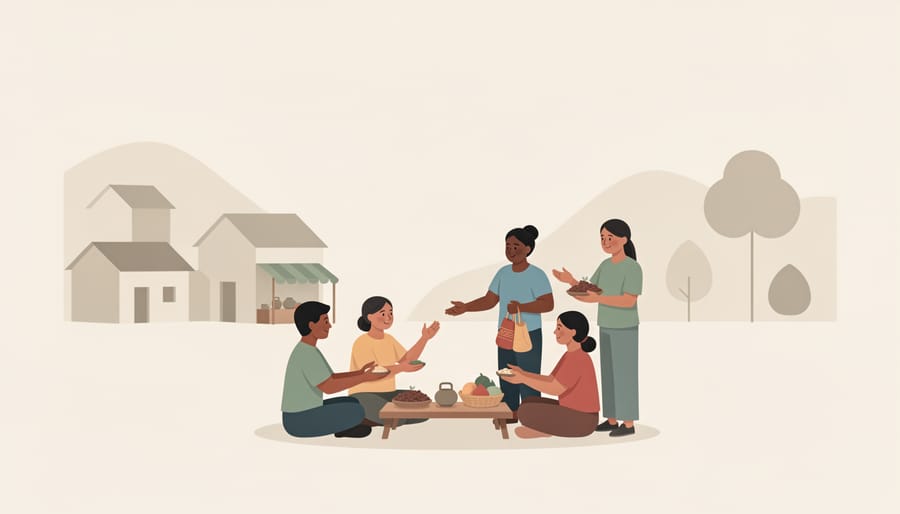
Volunteer travel programs have evolved from niche offerings into a structured, accessible movement that bridges the gap between tourism and international development. Leading organizations have built the infrastructure to facilitate meaningful participation at scale. International Volunteer HQ, recognized as the world’s foremost volunteer travel organization, has been trusted by 163,226 volunteers since 2007, demonstrating the sector’s maturity and reach. Their programs now span 40+ countries with year-round availability and flexible timeframes from one week to 24 weeks, removing traditional barriers of extended time commitments that once limited participation.
Government initiatives have further legitimized this movement. Canada’s Volunteer Cooperation Program, running from 2020 through 2028, aims for 10,000 placements, signaling official recognition of volunteer travel’s role in fostering global citizenship and development partnerships.
This growth reflects broader shifts in how people approach travel and community engagement. Canadians increasingly seek experiences that combine personal growth with tangible contribution, moving beyond passive tourism toward active participation in addressing global challenges. The sector’s expansion has made international service realistic for working professionals, families, and students alike, transforming volunteer travel from an exclusive opportunity into a practical option for anyone committed to collaboration and cross-cultural learning.
Common Questions About Volunteer Travel
Most people considering volunteer travel share similar concerns before taking the plunge. Understanding these common questions helps you approach the decision with confidence and realistic expectations about what lies ahead.
Do I need special skills or qualifications to volunteer abroad?
Most programs welcome volunteers regardless of background or formal qualifications. While specialized roles in healthcare or education may require relevant credentials, the majority of opportunities focus on your willingness to contribute, learn, and work alongside local communities rather than pre-existing expertise.
How safe are volunteer travel programs?
Reputable organizations prioritize volunteer safety through comprehensive orientation, in-country support staff, vetted accommodation, and 24/7 emergency assistance. You’ll receive guidance on local customs, health precautions, and safe practices, though personal responsibility and common sense remain essential as with any international travel.
Can I volunteer with limited time availability?
Absolutely. Programs accommodate varying schedules, with options ranging from one week to several months. Shorter placements let you make a meaningful contribution while fitting volunteering into holiday time or career breaks, though longer commitments typically allow for deeper community relationships and greater impact.
How do I verify an organization’s legitimacy and ethical practices?
Look for transparency in fee breakdowns, clear information about how your contribution supports communities, established track records with verifiable volunteer reviews, and partnerships with local organizations rather than top-down approaches. Legitimate programs openly discuss their community impact and avoid making exaggerated claims about what short-term volunteers can achieve.
Family participation is increasingly common, with many organizations offering family-friendly placements that accommodate children and create shared service experiences. Solo volunteers find these programs equally accessible, often joining cohorts of like-minded individuals and forming lasting connections. The structured nature of volunteer placements provides built-in community and support networks, making solo international travel less daunting.
After returning home, many volunteers maintain connections with host communities, continue supporting causes they encountered, or apply new perspectives to local community development work. The experience often shifts how you engage with global issues and recognize your own capacity to contribute to positive change, wherever you are.
Volunteer travel programs have evolved into a genuine pathway for meaningful global engagement, offering Canadians and international participants alike the chance to contribute to community development while experiencing profound personal growth. What once seemed reserved for gap-year students or those with unlimited time has become remarkably accessible. Programs starting from US$20 per day, flexible durations from one week to six months, and year-round availability mean that international service now fits diverse schedules and budgets.
These opportunities matter because they create real connections between people working toward shared goals. When you volunteer abroad thoughtfully, with cultural humility, genuine collaboration, and a commitment to listening, you become part of something larger than tourism or charity. You help build the vibrant, sustainable communities we all need while gaining perspectives that reshape how you see your own role in the world.
If you’ve ever wondered whether you could make a difference internationally, the answer is increasingly clear: you can. Explore programs that align with your skills and values, prepare with intention, and step into an experience that serves both communities abroad and your own understanding of what purposeful engagement looks like.