Each year on September 30, Canada observes the National Day for Truth and Reconciliation, a federal statutory holiday that honours the nearly 150,000 Indigenous children who attended residential schools, many of whom never came home. This day asks all Canadians to pause, learn, and engage meaningfully with the ongoing work of reconciliation.
Since becoming a federal statutory holiday through Bill C-5, September 30 has grown into more than a day off work for many Canadians. It’s recognized as a statutory holiday for federal employees, those in federally regulated industries, and workers across British Columbia, Manitoba, the Northwest Territories, Nunavut, Prince Edward Island, Yukon, and provincial employees in Alberta, Nova Scotia, and New Brunswick. But its purpose reaches far beyond employment law. The day invites each of us to deepen our understanding of residential school history, listen to survivors’ stories, and take concrete steps that support Indigenous-led healing and self-determination.
Meaningful participation starts with learning the truth. Attend community events led by Indigenous organizations, read survivor testimonies, or support Indigenous artists and educators doing this vital work. Organizations can review hiring practices, funding commitments, and partnerships to ensure they reflect genuine collaboration rather than symbolic gestures. This September 30 represents one day in a lifelong journey, and the most powerful way to honour it is by weaving truth and reconciliation into the daily fabric of how we build stronger, more just communities together.
Understanding the National Day for Truth and Reconciliation
Who Observes This Day
Understanding who receives time off on September 30 can be confusing, as recognition varies across workplaces and provinces. Federal government employees and private-sector workers to whom the Canada Labour Code applies receive statutory holiday recognition. Provincial government employees in Alberta, Nova Scotia, and New Brunswick also observe the day as a statutory holiday.
The holiday extends to all workers in British Columbia, Manitoba, the Northwest Territories, Nunavut, Prince Edward Island, and Yukon (as of March 2023). If you work in other provinces or for a provincially regulated employer not listed above, you may not receive statutory holiday entitlements, though your workplace might still choose to recognize the day.
This patchwork of recognition reflects the ongoing process of embedding truth and reconciliation into our institutional fabric. Regardless of your employment status or whether you have the day off, the purpose remains the same: to honour residential school survivors and those who never came home, and to commit to meaningful reconciliation work in your community.
Why This Day Matters for Community Renewal
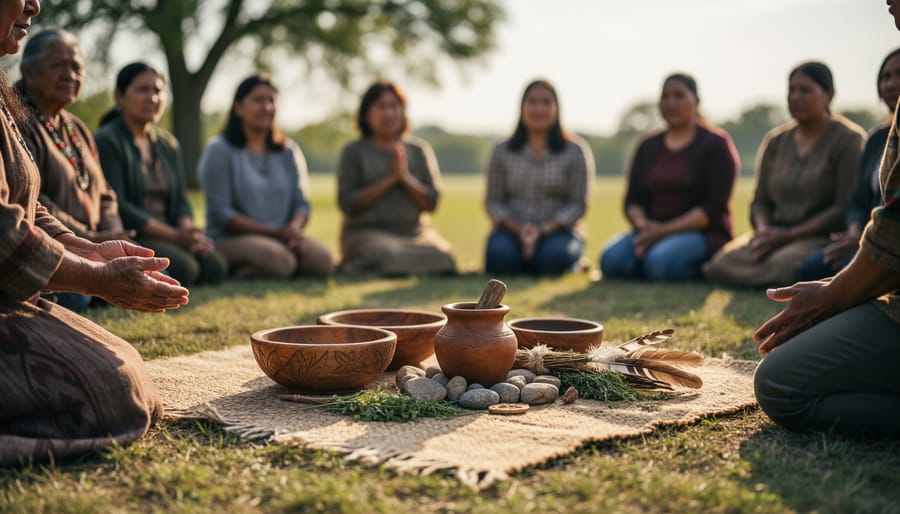
Truth and reconciliation work sits at the heart of building healthier, more resilient communities across Canada. When organizations and individuals engage meaningfully with the history and ongoing impacts of residential schools, they create foundations for genuine relationships that benefit everyone involved.
Communities that prioritize reconciliation see tangible shifts in how people work together. Trust grows when non-Indigenous community members acknowledge historical harms and commit to different ways of forward. Indigenous voices gain space in decision-making processes that affect their lives and territories. These aren’t abstract goals, they translate into better collaboration on housing initiatives, youth programs, environmental stewardship, and economic development that respects Indigenous knowledge and leadership.
The community renewal that follows from reconciliation efforts strengthens social fabric in concrete ways. Schools develop curriculum that reflects accurate history rather than erasure. Local governments establish consultation protocols that honour Indigenous jurisdiction. Non-profits build partnerships where Indigenous organizations lead rather than advise from the margins. Health services incorporate traditional practices alongside Western medicine.
This day matters because it offers a focused moment to examine where your community stands in this ongoing journey. Are Indigenous peoples represented in your board meetings, neighborhood planning sessions, and cultural celebrations? Do your programs actively dismantle barriers they face? September 30 pushes these questions to the surface, creating openings for honest conversations and meaningful change.
Communities that take reconciliation seriously don’t just commemorate pain, they build toward shared futures where Indigenous and non-Indigenous peoples collaborate as partners. That transformation makes every community stronger, more connected, and better equipped to support all residents.
Ways Your Organization Can Honour September 30
Creating Space for Learning and Reflection
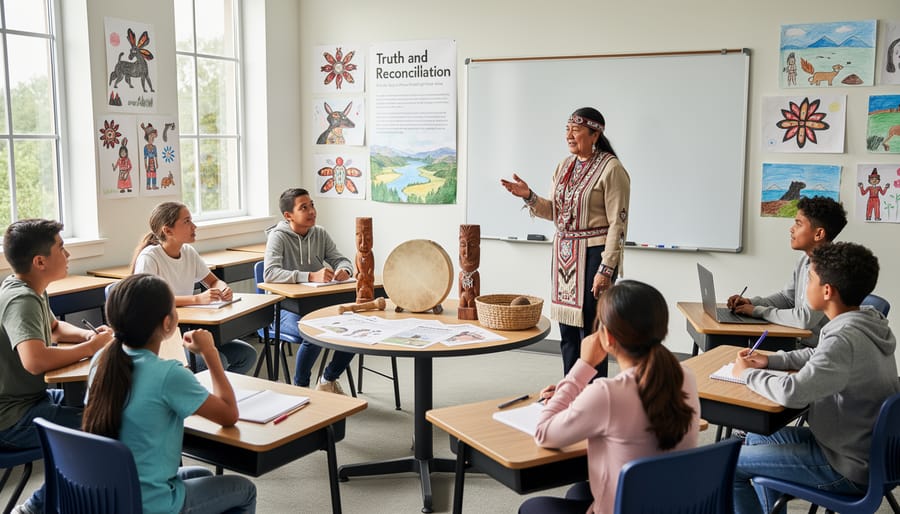
Educational programming becomes most powerful when it starts well before September 30 and creates conditions for genuine reflection. Plan workshops, book clubs, or lunch-and-learn sessions in the weeks leading up to the day, inviting Indigenous educators, Elders, or Knowledge Keepers to share their perspectives and experiences. Prioritize speakers from local First Nations, Métis, or Inuit communities, offering honoraria that respect their time and expertise. Provide readings or videos in advance so participants arrive ready for deeper conversation rather than starting from zero.
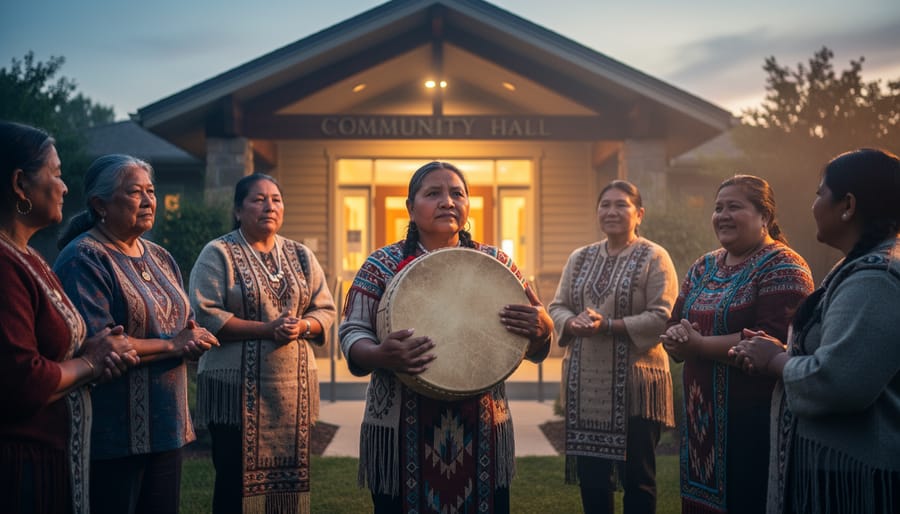
Create dedicated quiet spaces where people can reflect individually, a room with residential school survivor testimonies available through headphones, art created by Indigenous artists, or simply a peaceful area where colleagues can sit with what they’re learning. Consider opening your organization’s space to the broader community for an evening screening of a documentary like We Were Children or hosting a sharing circle facilitated by an Indigenous organization. These gatherings strengthen connections and contribute to building healthy communities where truth-telling becomes foundational to collective healing.
Share curated resources through internal channels: the National Centre for Truth and Reconciliation’s survivor testimony archive, podcasts like Unreserved, or age-appropriate materials for families with children. The goal isn’t checking boxes but opening pathways for ongoing learning that extends far beyond a single day of observance.
Supporting Indigenous-Led Initiatives
The most meaningful way to honour September 30 is to step back and let Indigenous communities lead. Before creating your own programming or event, reach out to Indigenous organizations in your area to learn what they’re already planning. Many communities host ceremonies, gatherings, or educational events that welcome non-Indigenous participants and allies.
Ask how your organization can support their work rather than duplicating it. This might mean providing funding, sharing their event information through your networks, offering venue space, or handling logistics so Indigenous organizers can focus on content and community care. Financial contributions to Indigenous-led organizations doing reconciliation work year-round often create more lasting impact than one-day events.
When you do partner, clarify roles early. Indigenous communities should maintain decision-making authority over programming, messaging, and how the day is observed. Your organization’s role is to support and amplify, not to direct or rebrand their work.
If no local events exist and community members express interest in creating something, start by building relationships first. Connect with Indigenous elders, knowledge keepers, or community leaders months before September 30. Ask for their guidance on appropriate ways to observe the day and whether they’d be willing to participate or advise. Compensate Indigenous speakers, artists, and knowledge holders fairly for their time and expertise, this isn’t volunteer work.
Amplify Indigenous voices through your communication channels. Share posts from Indigenous organizations, repost educational content they’ve created, and direct people to their events and resources.
Individual Actions That Make a Difference
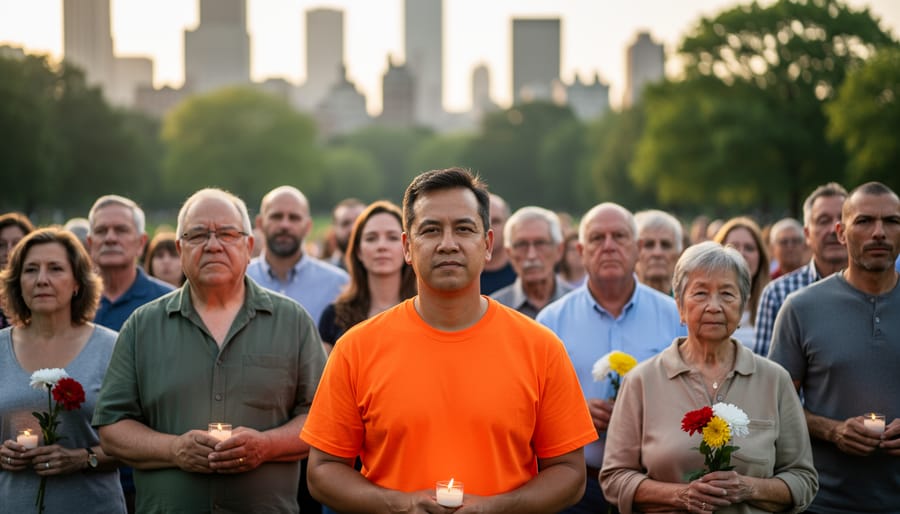
You don’t need special credentials or an organization behind you to participate meaningfully on September 30. Individual actions, taken collectively, create the cultural shift reconciliation requires. Here’s how you can honour the day and the residential school survivors it commemorates.
Wearing orange is the most visible gesture. This practice stems from survivor Phyllis Webstad’s story of having her new orange shirt taken away on her first day at residential school. When you wear orange on September 30, you signal awareness and solidarity, sparking conversations that extend the day’s reach.
Beyond wearing orange, commit time to learning. Read survivor testimonies from the Truth and Reconciliation Commission’s archives. Watch documentaries that centre Indigenous voices. Listen to podcasts hosted by Indigenous educators and activists. Absorb stories that challenge what you weren’t taught in school.
Here are concrete steps for meaningful participation:
- Attend a local commemoration event, prioritizing those organized by Indigenous communities rather than parallel gatherings.
- Read at least one residential school survivor’s story, approaching it with openness to discomfort and a willingness to sit with difficult truths.
- Explore the 94 Calls to Action from the Truth and Reconciliation Commission, identifying which ones relate to your profession, community role, or daily life.
- Have an honest conversation with family members or colleagues about what you’ve learned, especially if children are present, using age-appropriate language.
- Support Indigenous-owned businesses, artists, or authors on this day and beyond, recognizing that economic reconciliation matters too.
Document your learning journey privately, noting questions that arise and commitments you want to make. Share educational resources on social media if that’s your practice, but centre Indigenous voices rather than your own reactions. The goal isn’t performative posting; it’s genuine engagement that shifts your understanding and, through you, reaches others in your circles.
Reconciliation doesn’t happen in a single day, but September 30 offers a focused opportunity to deepen your knowledge and examine where you fit in this ongoing work.
Stories of Community-Led Reconciliation
Communities across Canada have woven truth and reconciliation into the fabric of their ongoing work, demonstrating that meaningful change happens through sustained commitment rather than a single day’s gesture. Schools that have partnered with local Indigenous knowledge keepers to co-develop curriculum find students developing deeper historical understanding and cultural awareness throughout the school year. These relationships create learning environments where Indigenous perspectives shape how all subjects are taught, from science to history to the arts.
Municipal governments have begun consulting Indigenous communities before making decisions about land use, infrastructure projects, and public spaces. This shift toward collaborative governance strengthens relationships and ensures that planning reflects the wisdom and priorities of Indigenous peoples whose territories host these communities. The year-round impact extends beyond policy changes to how neighbours relate to one another.
Workplace reconciliation initiatives have moved beyond one-time training sessions to ongoing learning circles, mentorship programs connecting Indigenous and non-Indigenous employees, and procurement policies that prioritize Indigenous-owned businesses. Healthcare organizations have redesigned care pathways based on Indigenous healing practices and cultural safety principles, improving outcomes for Indigenous patients while enriching services for everyone.
These examples share a common thread: communities that treat reconciliation as everyday practice rather than an annual event create lasting transformation that strengthens relationships and builds trust across generations.
Resources for Ongoing Learning
Meaningful engagement with truth and reconciliation requires commitment that extends far beyond a single day of observance. The National Centre for Truth and Reconciliation serves as Canada’s primary archive for residential school history and survivor testimony, offering educational resources for educators, organizations, and individuals. Their materials centre Indigenous voices and provide context grounded in documented history.
Indigenous-led organizations across Canada offer pathways for deeper learning. The Assembly of First Nations, Métis National Council, and Inuit Tapiriit Kanatami provide resources that reflect the distinct histories and perspectives of First Nations, Métis, and Inuit peoples. Many regional friendship centres and Indigenous community organizations host workshops, cultural events, and relationship-building opportunities throughout the year.
For ongoing education, the Truth and Reconciliation Commission’s 94 Calls to Action remain essential reading, outlining concrete steps toward reconciliation across sectors. Survivor memoirs, Indigenous authors, and documentaries offer personal perspectives that deepen understanding beyond institutional narratives.
Local libraries, universities, and Indigenous cultural centres often maintain curated resource lists and host speaker series. Starting where you are, with the Indigenous communities and organizations in your region, builds the sustained relationships that reconciliation requires. September 30 marks one day in what must be a continuous journey of learning, listening, and collaborative action.
Common Questions About the National Day for Truth and Reconciliation
Is the National Day for Truth and Reconciliation the same as Orange Shirt Day?
They’re observed on the same date but originated separately. Orange Shirt Day began in 2013 as a grassroots movement honouring residential school survivors, particularly Phyllis Webstad’s story, while the National Day for Truth and Reconciliation became a federal statutory holiday in 2021 through Bill C-5. Many people wear orange on September 30 to honour both observances.
Do I get the day off work?
It depends on your employer and location. Federal government employees, Canada Labour Code workers, and employees in British Columbia, Manitoba, the Northwest Territories, Nunavut, Prince Edward Island, and Yukon receive the statutory holiday. Provincial employees in Alberta, Nova Scotia, and New Brunswick also observe it, but other provinces haven’t yet made it a universal statutory day.
What does reconciliation actually mean?
Reconciliation means acknowledging historical harms, learning truth, building respectful relationships, and taking ongoing action to address the legacy of colonialism and residential schools. It’s not a single destination but a continuous process of listening, learning, and working collaboratively toward healing and equity with Indigenous communities.
How can non-Indigenous people observe this day respectfully?
Centre Indigenous voices by attending Indigenous-led events, reading survivor testimonies, supporting Indigenous organizations, and wearing orange to show solidarity. Avoid treating it as just a day off, use the time for genuine learning and reflection about Canada’s history and your role in reconciliation work.
What if there aren’t events in my community?
You can still observe meaningfully through personal learning. Watch the National Centre for Truth and Reconciliation’s online resources, read the Truth and Reconciliation Commission’s Calls to Action, listen to podcasts by Indigenous creators, or start conversations with colleagues and family about what you’re learning.
These questions reflect what many community members genuinely wonder as they navigate participating in this relatively new observance. The uncertainty around workplace policies remains real for many Canadians, and clarifying the distinction between Orange Shirt Day’s grassroots origins and the federal statutory holiday helps people understand how both fit together.
What matters most is shifting from asking “Do I have to do something?” to “How can I contribute meaningfully?” That reframing turns September 30 from a checkbox into an opportunity for growth, both personally and within your community’s development work. Reconciliation doesn’t happen through perfect participation in a single day, it builds through consistent, humble engagement with truth and ongoing commitment to respectful relationships.
The National Day for Truth and Reconciliation calls us to remember, honour, and act, but real reconciliation doesn’t fit neatly into a single day on the calendar. September 30 is a powerful starting point, yet the work of building understanding, repairing relationships, and supporting Indigenous communities requires sustained commitment throughout the year.
Every conversation you have, every resource you share, and every Indigenous-led initiative you support contributes to community change that reaches far beyond one observance. When organizations and individuals embrace truth and reconciliation as ongoing practices rather than annual checkboxes, communities grow stronger, trust deepens, and collaborative healing becomes possible.
This work isn’t easy, and it won’t happen quickly. But communities across Canada are already showing what’s possible when people commit to listening, learning, and taking meaningful action together. Your role in that journey matters, not just on September 30, but in the choices you make and the relationships you build every day that follows.