
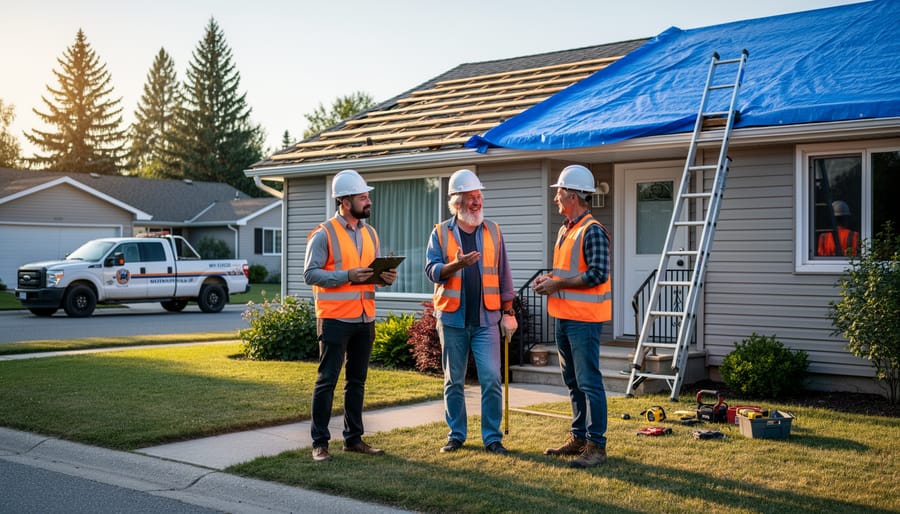
Contact your local municipality’s housing department immediately to inquire about emergency repair grants and low-interest loan programs specifically designed for homeowners facing structural issues, water damage, or safety hazards. Most Canadian cities offer dedicated funding streams that many residents don’t know exist.
Apply for the Canada Mortgage and Housing Corporation’s Home Accessibility Program or Residential Rehabilitation Assistance Program, which provide forgivable loans up to $40,000 for low-income homeowners needing critical repairs. These federal initiatives prioritize health and safety improvements, making them ideal for houses requiring urgent attention.
Reach out to community development corporations and non-profit housing organizations in your province, as they often administer grassroots repair programs that combine financial assistance with volunteer labour. Unlike commercial services like Property Saviour focused on property sales, these community-driven solutions help you keep your home while building neighbourhood connections.
You’re not alone in facing housing deterioration. Thousands of Canadian homeowners successfully navigate these programs annually, transforming unsafe conditions into stable, healthy living environments. The journey from discovering a leaking roof or crumbling foundation to securing assistance might feel daunting, but collaborative support systems exist at every government level.
This article guides you through federal, provincial, and community-based assistance programs available across Canada, sharing real success stories from homeowners who’ve rebuilt their homes and renewed their hope. Whether you’re dealing with failing systems, structural damage, or accessibility needs, practical pathways to help await your discovery.
Why Homes Fall Into Disrepair (And Why You Shouldn’t Feel Alone)
If your home needs repairs you can’t afford, you’re not alone—this is happening in communities across Canada. Homes fall into disrepair for reasons that often have nothing to do with how much you care about where you live.
Many Canadians live on fixed incomes that simply don’t stretch far enough. When you’re choosing between groceries, medication, and a new roof, the roof usually waits. Seniors who’ve lived in their homes for decades often find that pension income can’t keep pace with rising maintenance costs. Similarly, families living paycheque to paycheque may manage monthly bills but have no cushion for a furnace breakdown or plumbing emergency.
Life events can derail even the most careful plans. A job loss, divorce, or family illness can instantly transform financial stability into crisis. Suddenly, urgent repairs get postponed indefinitely, and small problems snowball into major deterioration.
Health challenges create additional barriers. If mobility issues make it difficult to climb stairs or bend down, routine maintenance becomes impossible. Mental health struggles or caregiving responsibilities can leave little energy for home upkeep, even when you recognize the need.
Systemic barriers compound these challenges. Indigenous communities, newcomers, and rural residents often face limited access to contractors, higher material costs, or inadequate housing stock to begin with. Geographic isolation can mean waiting months for repair services that urban dwellers access within days.
Here’s what matters most: struggling to maintain your home reflects economic and social realities, not personal failure. Thousands of Canadians face identical challenges right now. The good news? Communities nationwide are responding with assistance programs specifically designed to help neighbours support neighbours through collaborative solutions. You deserve safe, dignified housing—and help is available.
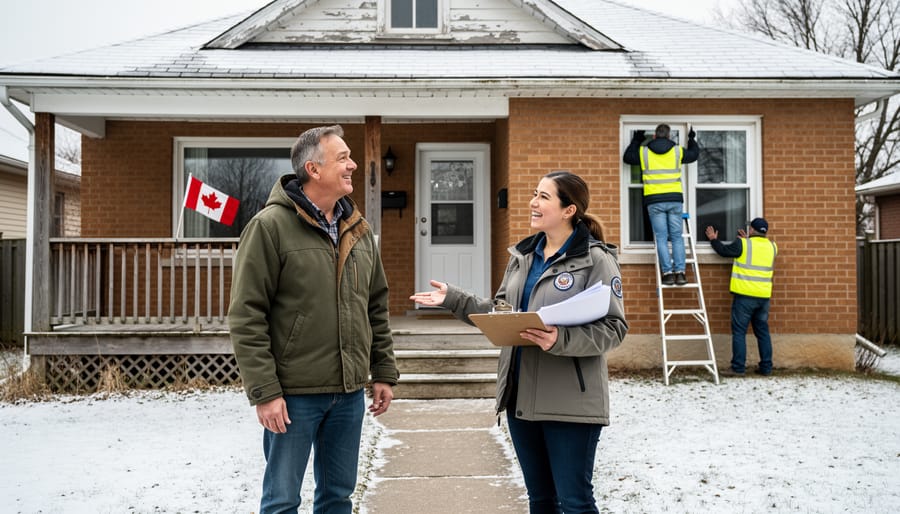
Federal Programs That Can Help Restore Your Home
Canada Mortgage and Housing Corporation (CMHC) Programs
The Canada Mortgage and Housing Corporation offers several programs that can be true lifelines for homeowners dealing with deteriorating housing conditions. While CMHC has shifted many of its direct homeowner programs to provincial delivery, understanding their framework helps you access the right resources.
CMHC’s flagship accessible housing initiatives focus on helping Canadians with disabilities make necessary home modifications. These programs recognize that safe, accessible housing is a fundamental right, not a privilege. Eligibility typically centers on demonstrated need for accessibility improvements and household income levels, though specific criteria vary by province.
Here’s where community organizations become invaluable allies in your journey. Many local housing resource centers and community development groups have staff trained to navigate CMHC program requirements. They understand the paperwork, know the timelines, and can help translate complex eligibility criteria into plain language. You don’t have to figure this out alone.
Consider the experience of the Thompson family in rural Ontario, who connected with their local community housing office when their aging home needed critical repairs. The staff helped them identify applicable CMHC-backed provincial programs and walked them through every application step. Within months, they secured funding for essential accessibility modifications and safety upgrades.
Community organizations can also help you bundle CMHC resources with other provincial and municipal programs, maximizing your support. Reach out to neighborhood resource centers, disability advocacy groups, or faith-based housing initiatives. These partnerships transform overwhelming applications into manageable, hopeful pathways toward a safer home.
Home Accessibility Tax Credit and Other Federal Support
The federal government offers valuable support through the Home Accessibility Tax Credit, designed to make home modifications more affordable for seniors and people with disabilities. This non-refundable tax credit allows eligible Canadians to claim up to $20,000 in qualifying renovation expenses annually, potentially saving thousands of dollars on essential improvements like wheelchair ramps, accessible bathrooms, or stairlifts.
You’re not alone in navigating these options. Many community members have successfully combined this tax credit with other federal programs to transform unsafe living conditions into accessible, welcoming homes. For instance, the Canada Mortgage and Housing Corporation’s accessibility grants can work alongside the tax credit, creating a comprehensive support package.
Local non-profit organizations and community health centres often have staff who understand these programs inside-out and can help you determine eligibility and complete applications. They’ve seen firsthand how these credits change lives, enabling people to remain in their homes with dignity and independence.
Remember, accessing these supports is about building stronger communities where everyone can thrive. Whether you’re seeking help for yourself or supporting a neighbour, reaching out to community agencies creates connections that extend far beyond paperwork, opening doors to additional resources and collaborative solutions you might not have discovered alone.
Indigenous-Specific Federal Housing Programs
The federal government recognizes that Indigenous communities face distinct housing challenges, from geographic isolation to the legacy of systemic inequities. That’s why targeted programs exist specifically for First Nations, Métis, and Inuit peoples.
Indigenous Services Canada administers home repair initiatives that respect cultural traditions while addressing urgent needs like mold remediation, heating system upgrades, and structural repairs. These programs prioritize community-led solutions, working directly with Band Councils and Indigenous housing authorities who understand local needs best.
Success stories abound: remote communities have transformed housing conditions through partnerships that combine federal funding with traditional knowledge and local labour. Many programs also support skills training, creating employment opportunities while homes are renewed.
If you’re part of an Indigenous community facing housing challenges, connect with your local housing authority or Indigenous Services Canada office. Culturally appropriate support is available, and you don’t have to navigate this journey alone.
Provincial and Territorial Support Across Canada
Western Canada: BC, Alberta, Saskatchewan, and Manitoba
Western Canada offers robust support for homeowners facing repair challenges. In British Columbia, the Home Owner Mortgage and Equity Partnership and various municipal programs provide grants and forgivable loans for essential repairs. Alberta’s Residential Access Modification Program helps with accessibility upgrades, while emergency repair funding supports low-income homeowners province-wide. Saskatchewan’s Emergency Repair Program and Manitoba’s Residential Rehabilitation Assistance Program both offer forgivable loans for critical safety issues like faulty electrical systems or failing roofs.
These programs have transformed lives across the region. One Saskatchewan family recently shared how emergency repair assistance helped them address a crumbling foundation, turning anxiety into relief and preventing displacement. Many provincial programs prioritize Indigenous communities, seniors, and people with disabilities, recognizing that safe housing strengthens entire communities. Contact your provincial housing authority to explore eligibility requirements and application processes. Remember, reaching out for help demonstrates strength and care for your family’s wellbeing. Local community development organizations can also guide you through available options and provide additional support throughout your repair journey.
Central Canada: Ontario and Quebec
Ontario and Quebec offer robust home repair programs that shine through their community-centered approaches. Ontario’s Residential Rehabilitation Assistance Program helps homeowners bring deteriorating properties up to safety standards, while Quebec’s Rénoclimat program combines repair assistance with energy efficiency improvements—a win-win for families and the environment.
What makes these provinces stand out is their partnership model. Local housing organizations work alongside provincial programs to reach homeowners who might otherwise fall through the cracks. In Toronto’s Parkdale neighborhood, a community housing group helped 47 families access repair funds over two years by providing application support in multiple languages and connecting residents with trusted contractors.
Quebec’s cooperative housing movement has pioneered collective repair initiatives where neighbors pool resources and share skilled labor. This approach not only reduces costs but builds lasting community bonds. Many municipalities in both provinces have dedicated housing renewal coordinators who personally guide residents through the application process, transforming what feels overwhelming into manageable steps. You’re not alone in this journey—these programs exist because communities recognize that everyone deserves a safe, dignified home.
Atlantic Canada and the Territories
Atlantic Canada and the northern territories face unique housing challenges, from harsh weather conditions to remote locations that increase repair costs. Yet inspiring programs are making a real difference. In Newfoundland and Labrador, the Home Repair Program helps low-income homeowners with emergency repairs, while Nova Scotia’s Residential Rehabilitation Assistance Program supports seniors and people with disabilities in staying safely in their homes.
Prince Edward Island and New Brunswick offer similar targeted assistance, recognizing that stable housing strengthens entire communities. In the territories, where extreme weather and isolation intensify housing needs, programs like Nunavut’s Homeowner Repair Program and the Northwest Territories’ Seniors Aging in Place program provide crucial support. These initiatives demonstrate how communities thrive when neighbors help neighbors access the resources they need. Local housing agencies understand your region’s specific challenges and can connect you with available assistance quickly.
How to Find Your Provincial Program
Finding the right provincial program starts with a simple call to your local community development organization or municipal housing office. These trusted community partners know the landscape of available assistance and can guide you toward programs that match your specific situation. Many provinces maintain online directories of home repair programs, but connecting with someone who understands your community often reveals opportunities you might otherwise miss.
Reach out to community health centers, neighborhood associations, or faith-based organizations in your area. These groups regularly help neighbors navigate support systems and can share success stories of others who’ve restored their homes through provincial programs. They understand that asking for help takes courage and will welcome you with respect and encouragement.
Consider visiting your local library, where staff can assist with online applications and connect you with community resources. Libraries increasingly serve as hubs for accessing government services, offering both technology and compassionate support. Remember, you’re not alone in this journey—countless homeowners have successfully restored their homes through these collaborative pathways, and your community is ready to help you do the same.
Community-Based Solutions Making Real Difference
Tool Libraries and Repair Cafés
Tool libraries and repair cafés are transforming how Canadians approach home maintenance, offering free or low-cost access to equipment and expert guidance. These community-driven spaces recognize that many necessary repairs go undone simply because homeowners lack the right tools or knowledge. By building community ecosystems where neighbors share resources and skills, these programs make home repair accessible to everyone. At repair cafés, volunteers with carpentry, electrical, or plumbing experience work alongside homeowners, teaching practical skills while completing projects together. Tool libraries operate like book libraries—members borrow everything from power drills to ladders, eliminating expensive equipment purchases. Across Canadian cities, these initiatives have helped thousands of households address deteriorating conditions they previously felt powerless to fix. One Toronto participant shared how borrowing tools and receiving guidance at a repair café helped her weatherproof windows she’d avoided fixing for years due to cost concerns. These welcoming spaces prove that community collaboration can overcome both financial barriers and the isolation many homeowners face when dealing with housing challenges.
Habitat for Humanity and Faith-Based Programs
Established organizations like Habitat for Humanity Canada bring hope to homeowners struggling with deteriorating housing conditions through their repair programs. Beyond building new homes, many local Habitat chapters operate repair initiatives that connect skilled volunteers with families needing critical fixes. These programs typically focus on essential repairs like roof replacements, accessibility modifications, and weatherproofing that make homes safer and more livable.
Faith-based organizations across Canada also play a vital role in connecting communities with repair assistance. Churches, mosques, synagogues, and temples often coordinate volunteer networks of skilled tradespeople who donate their time and expertise. These programs succeed because they understand that housing stability strengthens entire communities.
One inspiring example comes from a Toronto-area church that mobilized congregation members to help a senior citizen repair her leaking roof. What started as a one-day project sparked an ongoing neighbourhood initiative that has assisted dozens of families.
These volunteer-driven programs work best when combined with other assistance sources, as they typically provide labour while homeowners secure materials through grants or subsidized programs. Contact local Habitat chapters or faith communities to explore available support in your area.
Success Story: How One Community Transformed Neighbourhood Housing
In Hamilton’s North End, a neighborhood initiative brought together 23 homeowners facing deteriorating properties they couldn’t afford to repair alone. What started as informal conversations at a community center evolved into a powerful collaborative model. Local residents partnered with a community housing organization to pool resources, share contractor connections, and apply collectively for assistance programs.
Through this united approach, they accessed funding through the Healthy Communities Initiative and provincial repair grants. Volunteer tradespeople offered discounted rates, while neighbors contributed skills like painting and landscaping. Within eighteen months, all participating homes received critical repairs including roof replacements, electrical updates, and foundation work.
The transformation extended beyond physical improvements. Residents reported feeling less isolated and more empowered. The initiative sparked ongoing community connections, proving that when neighbors support each other and leverage available programs together, even overwhelming housing challenges become manageable. Their success inspired similar collaborations in three nearby communities.
Environmental and Energy Efficiency Programs That Pay for Repairs
Canada Greener Homes Grant
The Canada Greener Homes Grant offers homeowners up to $5,000 to make their homes more energy-efficient while addressing important repair needs. This federal program connects you with certified energy advisors who assess your home and recommend improvements that reduce energy costs and carbon emissions. Many environmental improvements supported by this grant, like upgrading insulation, sealing air leaks, or replacing windows, simultaneously tackle structural concerns that affect your home’s condition.
Communities across Canada have embraced this program with inspiring results. One Vancouver Island neighbourhood organized information sessions where neighbours learned together about grant eligibility, creating a supportive network that helped families navigate the application process. The program covers evaluation costs and provides grants for approved renovations, making meaningful repairs more accessible.
While primarily focused on energy efficiency, these upgrades often address underlying issues contributing to home deterioration. Whether you’re tackling moisture problems through better ventilation or strengthening your home’s envelope, this program can be a valuable starting point for comprehensive home renewal.
Provincial Energy Retrofit Programs
Across Canada, provinces are connecting home repairs with sustainable community development through innovative energy retrofit programs. These initiatives provide funding to improve insulation, upgrade windows, replace furnaces, and install efficient heating systems—repairs that both restore homes and reduce energy costs for struggling families.
British Columbia’s CleanBC Better Homes program and Ontario’s Enbridge Home Efficiency Rebate offer grants covering up to 50% of eligible improvements. Manitoba Hydro and SaskEnergy deliver similar support tailored to local climate needs. What makes these programs particularly valuable is their dual impact: addressing urgent repair needs while lowering monthly utility bills, creating breathing room in tight household budgets.
Success stories abound. In rural Nova Scotia, a coalition of homeowners combined provincial retrofit funding with community volunteer labour, weatherproofing twelve aging homes in one neighbourhood. This collaborative approach not only improved housing conditions but strengthened community bonds. Contact your provincial energy authority or local community development organization to explore how environmental programs can address your home repair challenges while contributing to broader sustainability goals.
How to Navigate the System and Actually Get Help
Finding Your Local Community Navigator
You don’t have to navigate home repair programs alone. Community navigators are experienced guides who understand the landscape of available assistance and can help you find the right path forward. These compassionate professionals work with local non-profits, community development organizations, and housing advocacy groups dedicated to helping homeowners in need.
Start by reaching out to community health centres, neighbourhood associations, or faith-based organizations in your area. Many employ community workers who connect residents with housing resources. Your local municipal office can also direct you to trusted organizations serving your community. Don’t hesitate to ask librarians, social workers, or settlement agencies, as they often maintain networks of helpful contacts.
Community navigators do more than provide information. They understand that asking for help takes courage, and they celebrate your initiative. Sarah from Halifax discovered her local community housing coalition through a simple phone call to her city’s information line. Her navigator not only identified three programs she qualified for but also helped her complete applications and connected her with volunteer repair teams.
These relationships build communities where neighbours support neighbours. By connecting with your local navigator, you’re joining a network of people committed to ensuring everyone has access to safe, dignified housing.
What Documentation You’ll Need (And Help Getting It)
Gathering documentation might feel overwhelming, but you’re not alone in this process. Most home repair programs ask for similar basic documents: proof of home ownership (like property tax statements or deed), recent income verification (tax returns or pay stubs), and sometimes quotes from contractors for the repair work needed. If you’re applying for accessibility modifications, a letter from your healthcare provider may be required.
Here’s the encouraging news: many community organizations offer free assistance navigating this paperwork. Community support workers, housing advocates, and settlement workers can help you locate missing documents, fill out applications, and even communicate with program administrators on your behalf. Local non-profits often host application support sessions where you can get one-on-one help in a welcoming environment.
Don’t have all your paperwork organized? That’s completely normal. Start with what you have, and reach out to the program contact or a local support worker who can guide you through finding what’s missing. Maria, a Toronto homeowner, shares: “I thought I’d never qualify because my paperwork was a mess, but a community worker helped me gather everything in just two weeks.”
Remember, these programs exist to help you. Taking that first step, even without perfect documentation, opens doors to support.
Your home is more than walls and a roof—it’s where your story unfolds, where your family grows, and where you contribute to the fabric of your community. If your home needs repair and you’ve been carrying that weight alone, know that reaching out for help isn’t a sign of weakness. It’s an act of community participation that strengthens the neighbourhood we all share.
Across Canada, thousands of homeowners have transformed their living situations through assistance programs, and their success stories remind us that no one needs to face housing challenges in isolation. From Maria in Halifax who accessed provincial grants to repair her foundation, to the Thompson family in rural Manitoba who connected with a community-based repair initiative, these stories show what’s possible when we work together.
The programs and resources available to you—whether federal initiatives, provincial supports, or local non-profit services—exist because communities recognize that safe, stable housing benefits everyone. When you apply for assistance, you’re not just helping yourself; you’re contributing to a stronger, more resilient neighbourhood.
If you need help, start today by contacting your municipal housing department or a local community organization. Ask questions, explore options, and trust that support is available.
And if you’re in a position to give back, consider volunteering with repair programs, donating to housing initiatives, or sharing your skills with neighbours. Together, we can ensure every home becomes a foundation for hope and renewal.





+ There are no comments
Add yours